.png)
 5 hours ago
3
5 hours ago
3
Super League celebrated its 30th birthday in style at the weekend. The main party was at Headingley, where Leeds hosted Warrington in a repeat of one of the league’s original fixtures. As Sky Sports anchor Brian Carney welcomed guest after illustrious guest to reminisce about their past heroics, we were shown clips from three of the opening round of games from 1996. That’s because only three were televised. And that was one more than Sky normally showed, despite having spent £87m on the new competition. All seven Super League games were shown live last weekend.
We now consume the game on our phones rather than through hourly radio bulletins. Unless you had a satellite dish on your house in the mid-1990s, you couldn’t watch Super League’s launch. For the opening weekend, Sky sent the media circus to Paris, Oldham and Leeds. By all accounts, members of the press pack were well oiled. In 2026, Super League on Sky is just a well-oiled machine.
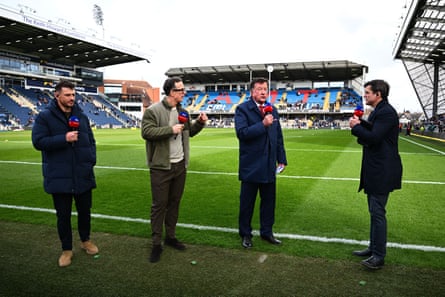
Fans from 1996 would have been surprised by a few things at the weekend. Once they had recovered from the shock of seeing Leigh play Toulouse in Super League, they would have been delighted to watch the sport live on BBC2 at tea time on Saturday, but bewildered to hear that Sky are paying just £21.5m to show every game this season (compared to the £17.3m they paid for two games a week in 1996) and that the BBC are not adding to the rights pot at all.
And why were there so few people in the press box, with most of them working for BBC radio? Every national newspaper had a full-time rugby league correspondent writing daily stories in 1996, albeit they often had to explain them to editors in London after their Manchester offices had closed en masse. Monday papers had full pages of match reports, even in the broadsheets. Now some struggle to print the results.
In the early days, News Corp definitely gave Super League a leg up with plenty of coverage in its papers. Those days are decades gone. Every paper covered the Super League war in depth. But, one by one, national papers culled their rugby league men – it was always a man, other than the admirable Julie Stott at The Sun – as papers cited a lack of interest, despite crowds going up and Sky broadcasting more games than ever (now 10 a week).
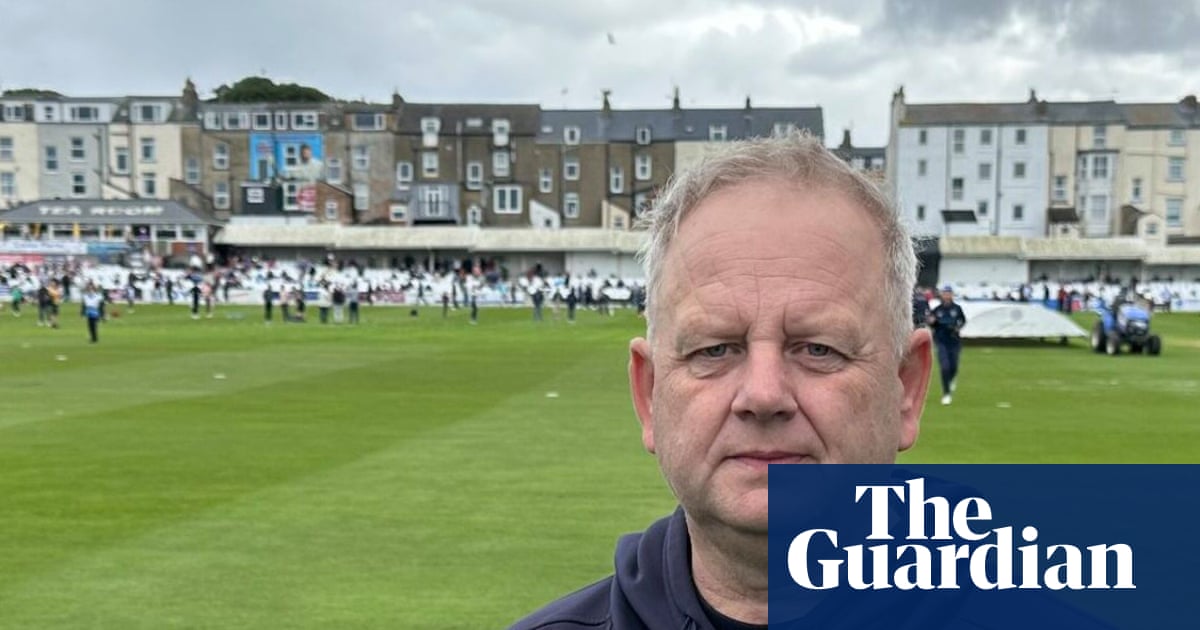
When Super League launched, Paul Fitzpatrick had been the Guardian’s rugby league correspondent for nearly 20 years. “In the small corner of east Manchester where I was brought up there was no interest in rugby league,” recalls Fitzpatrick. “I didn’t know anyone who followed it and I knew absolutely nothing about it. So I took myself off to the library with the intention of doing a crash course and looking up as many books on the subject as possible. There weren’t any. To say I was chucked in at the deep end was an understatement. But I was quickly hooked.”
Fitzpatrick became a senior member of a press pack that crisscrossed the north of England every weekend. Working alongside him for the Guardian and Observer in Super League’s first season was young reporter Andy Wilson. “I was callow and raw, only about 23 or 24,” says Wilson. “I remember one of my first Observer sports features. The editor said: ‘We’ve got a photo of an empty terrace at Wheldon Road and need you to write a piece on why Super League is a super flop.’”
The brave new world of summer rugby came at the autumn of Fitzpatrick’s career. He handed the reins to Wilson, who spent 17 years in the role and later became the RFL’s head of media. He saw enormous changes. “From what I see, it’s massively different now. We used to have daily conversations with the sports desks in London about stories. We did have laptops but there were never enough phone sockets in press boxes to plug in and dial up from. You might manage to email your first 250 words but would then have to phone in the rest on the hooter.”
That led to some hairy conclusions to matches, especially night games. The Wide to West try – when St Helens beat Bradford in the 2000 playoffs with an extraordinary try after the hooter – stands out. “That was the worst, or maybe the best,” says Wilson. “Sat at the back of the main stand at Knowsley Road, the place was rocking, literally. You were flying by the seat of your pants but the buzz of it was so exciting. We’d miss things as we were typing our reports; nowadays it’s because they’re having to tweet all the time!”
Most of the full-time reporters in the sport now are young writers who work for rugby league websites whose owners are determined to retain their loyal readership: Serious About Rugby League is a sister product of the Yorkshire Post, whose 7pm print deadline means their considerable rugby league coverage is bereft of Friday night match reports, while Reach’s All Out Rugby League pools contributions from the Mirror, People and their regional dailies in league heartlands. Together with Love Rugby League they are producing reams of social media content to complement traditional reporting.
“There are three really significant media organisations now investing in rugby league because it’s justified by the traffic,” says Wilson, who now works for the charity Rugby League Cares. “So there’s still considerable interest out there but by definition rugby league websites are inside the bubble. In 1996 rugby league was in the paper alongside the football, so fans of other sports would read it. But that’s changed for loads of sports, not just rugby league.”
Of the 20-odd journalists who regularly attend Super League press boxes now, the number working full-time in the sport is probably in single figures. A handful more work across other sports, and the rest of us are part-time with other jobs that pay the mortgage. Unlike broadcasting, the written press has become a young man’s game. “I’ve found the number of young reporters really heartening for the future of the sport,” says Wilson. “There are lots of kids and some really good writers and reporters. It’s just they’re doing it for websites rather than national papers, and the old career routes don’t exist.”
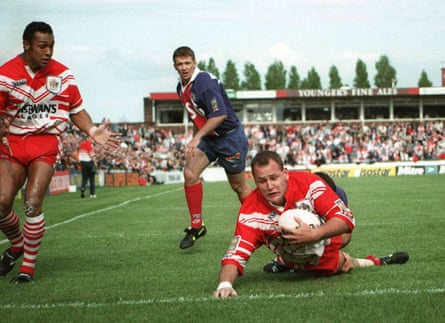
Radio coverage has also grown over the last 30 years. Fans can listen to almost every Super League game live, whether on BBC’s local station, 5 Live Sports Extra or TalkSport. There were commentary teams from three BBC stations at Wakefield v Leigh, making up half the press in attendance.
“I was at BBC GMR, as it was then, back in the day,” recalls stalwart broadcaster Jack Dearden. “One major difference was that, in the early days, almost all the games were played on Sunday at 3pm – apart from Cas who used to kick off at 3.30pm for some reason.” Nowadays if you are out on a Friday night you can miss half the weekend’s action.
“GMR also introduced a Thursday night magazine-style programme, which was a brand new initiative to coincide with the advent of Super League. Unless I’m mistaken, it was pretty much the only type of rugby league programme with that style. We had lots of studio guests in to debate and dissect the issues of the game. I’m pleased to say Super League match coverage is still going strong.”
One thing all journalists still benefit from is rugby league’s openness. The vast majority of interview requests are granted. Most league folk are pleased to be asked. Their humility, which may hold the sport back from making enough noise to draw in the outside world, is a godsend for the league media.
“The accessibility of rugby league was a pleasurable and surprising contrast to the humiliations of covering football,” says Fitzpatrick. “But I was happy to leave behind all the cramped inadequate press boxes; the nightmare of the M62 on a Friday night; the perishing nights spent at Watersheddings in Oldham and Odsal, two of the coldest places on the planet; and the boiling frustration of dictating match reports against the clock to copytakers who couldn’t hear you, nor you them. It was all worth it, though.”
As Dearden says: “It’s been a great privilege and pleasure to be a part of it.”
Follow No Helmets Required on Facebook