.png)
 6 hours ago
2
6 hours ago
2
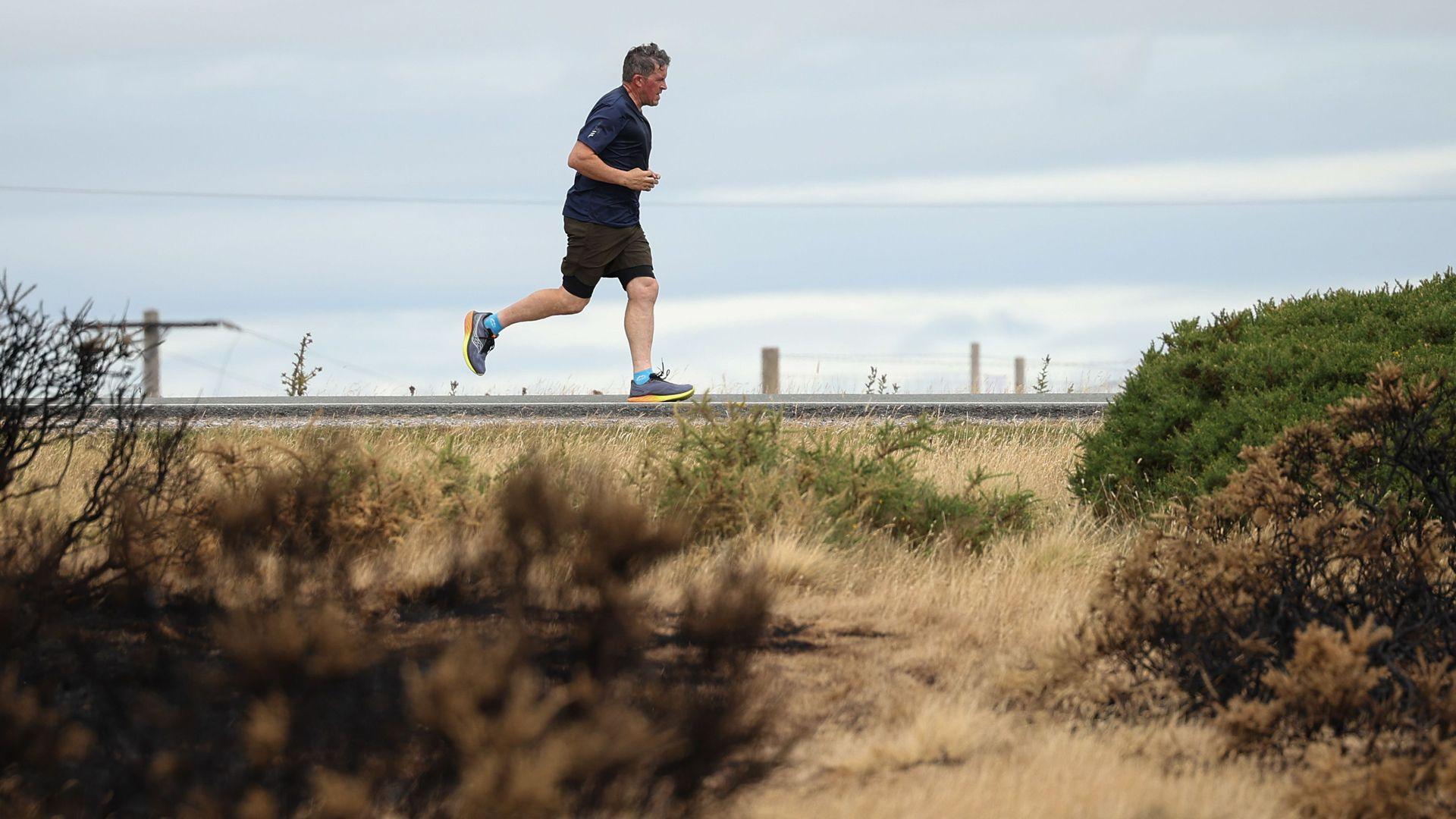 Image source, EPA
BySteffan MessengerWales environment correspondent and Oliver SlowBBC Wales
A drought has been extended across the whole of Wales with the country on course for its driest July on record in 190 years.
Declaring the drought, the country's environment body Natural Resources Wales (NRW) said sustained high temperatures were causing the condition of the natural environment to "deteriorate".
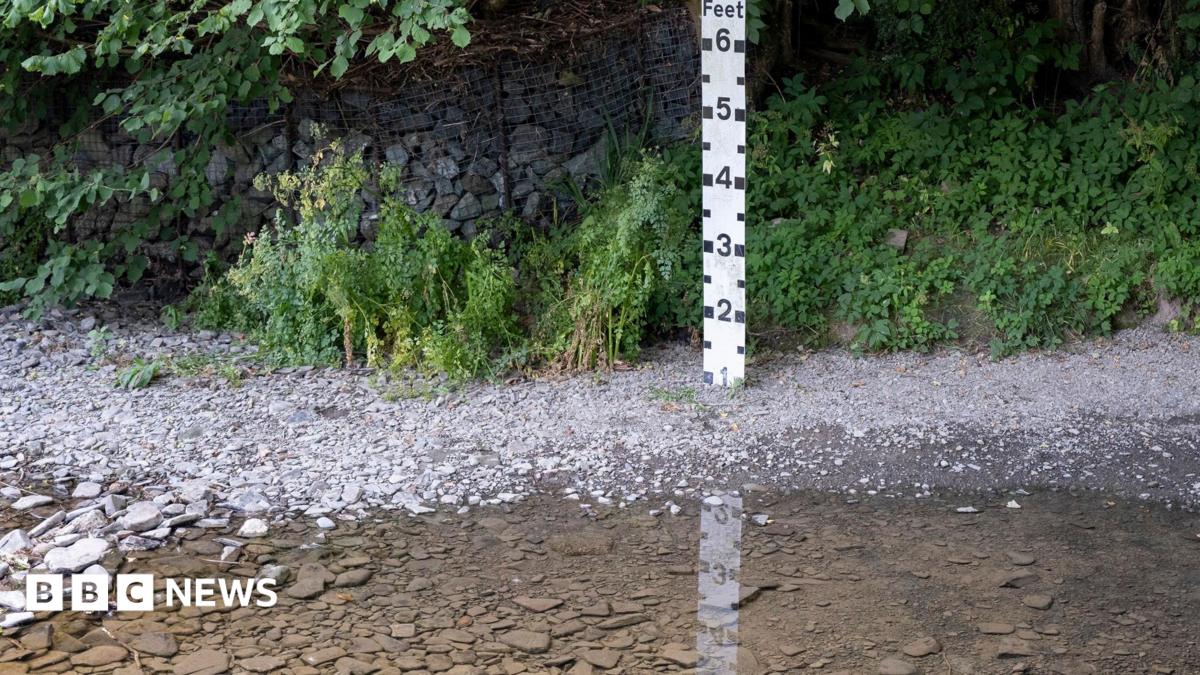
The decision has been made in response to record-low river levels, dry soils, widespread wildfires and mounting impacts on wildlife, farming and forestry.
NRW had already announced a drought across the north and parts of mid Wales last week.
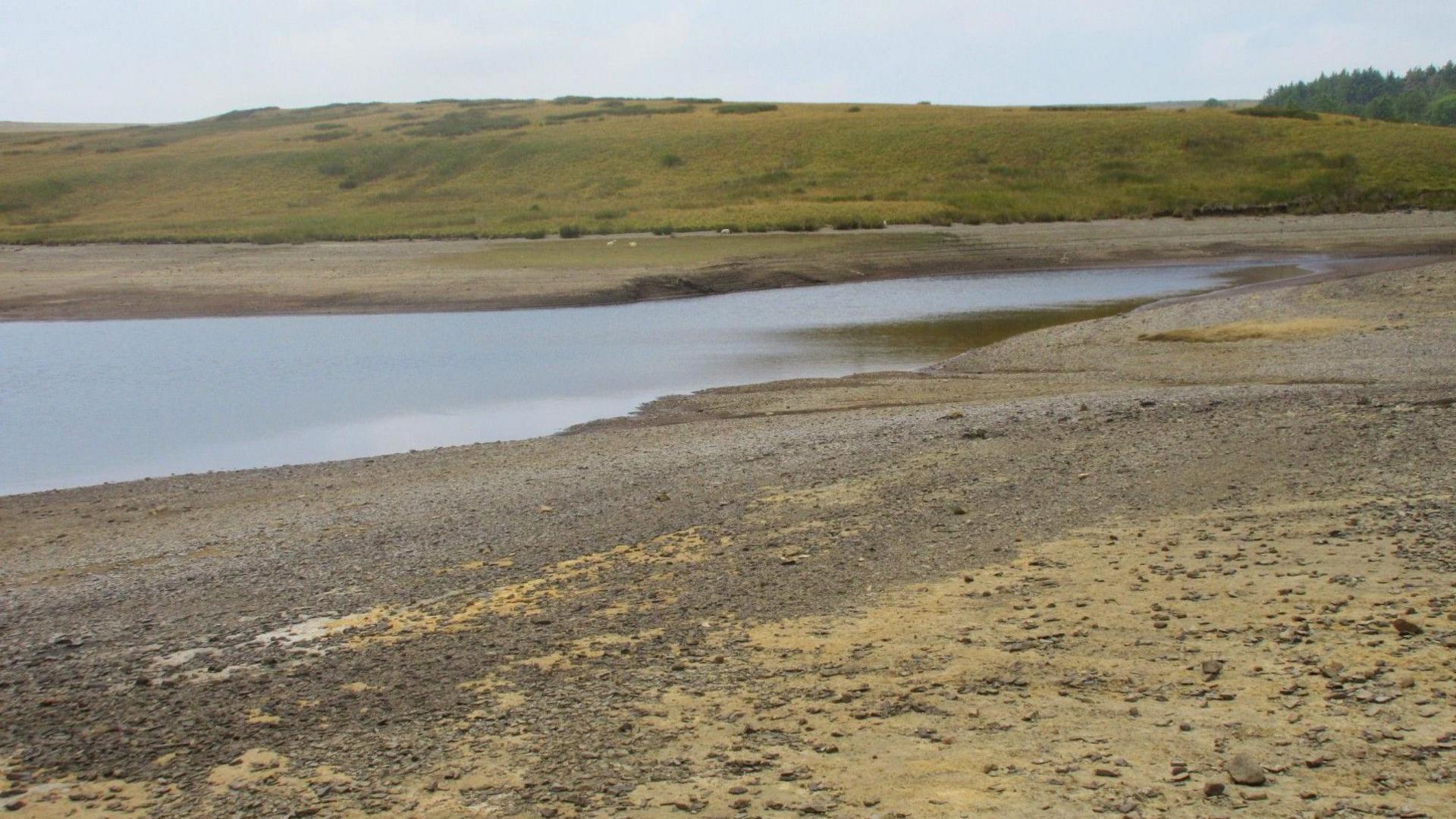 Image source, Tudur Davies
The lack of rain in Wales has led to low water levels in reservoirs like Llyn Aled Isaf in Conwy last week
The nationwide announcement made on Thursday will trigger more monitoring of rivers and stronger advice for the public on use of water.
The declaration of a drought does not mean there is currently a threat to water supplies for homes and businesses, with Welsh water companies saying reservoir levels are holding up after a wet start to the year.
NRW said figures had shown Wales had received 8% of its long-term average rainfall for July, with most rivers in the country "exceptionally low".
Groundwater levels are also falling in Wales, with some lower than expected for the time of year.
The environmental body said its teams were dealing with reports of "wide-reaching impacts to the environment", and that "conditions across Wales' natural environment have continued to deteriorate".
This includes drying riverbeds, fish in distress, an accumulation of algae, wildfire risk and concern from farmers about crop growth, grazing conditions and water availability for livestock.
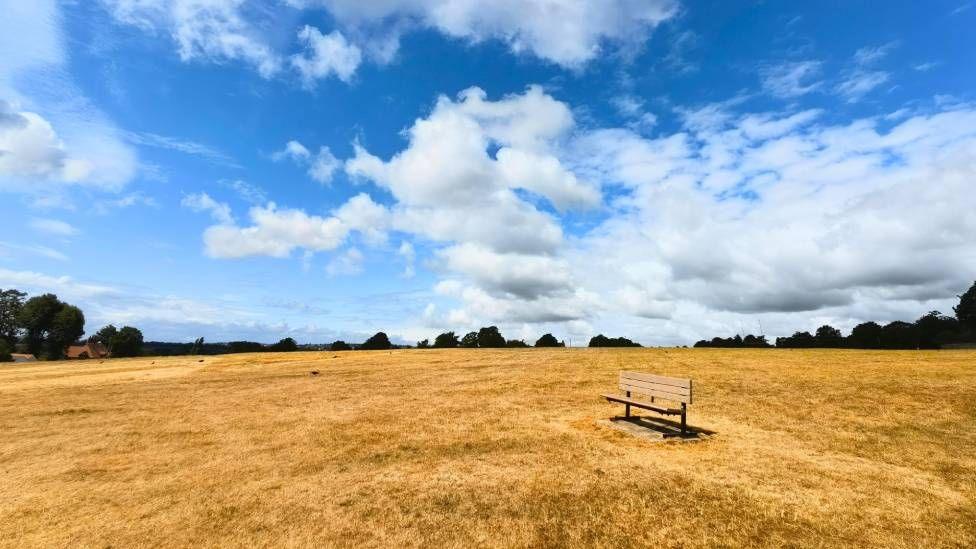 Image source, BBC Weather Watchers / Nadzena
Parched land has been seen across much of Wales this week, including in this park in Dinas Powys, Vale of Glamorgan
Rhian Thomas, from NRW, said the toll from the recent dry weather had been "clear to see", and teams were closely monitoring forecasts and river flows.
"With no strong indications for notable rainfall in the forecasts, and risks of further heatwaves over the summer, it's more important than ever that we all use water wisely," she said.
"Every drop we waste is less water for our rivers and wildlife when they need it the most."
The dry weather in recent weeks has also coincided with a number of wildfires across Wales.
A fire that broke out earlier this month in the Rhinogydd mountains in Gwynedd could be seen from space, with a firefighting helicopter deployed to tackle the blaze.
Residents were evacuated from their homes following a fire close to Conwy Mountain said they had heard the blaze, which had sounded "like popcorn", coming down the mountain.
First Minister Rhun ap Iorwerth said he had organised a summit to look at the risks of fires from severe droughts.
Speaking to Matt Chorley on BBC Radio 5 Live, he said while there was no "immediate risk to the provision of drinking water", there needed to be "more resilience in our water supplies" across Wales and the UK.
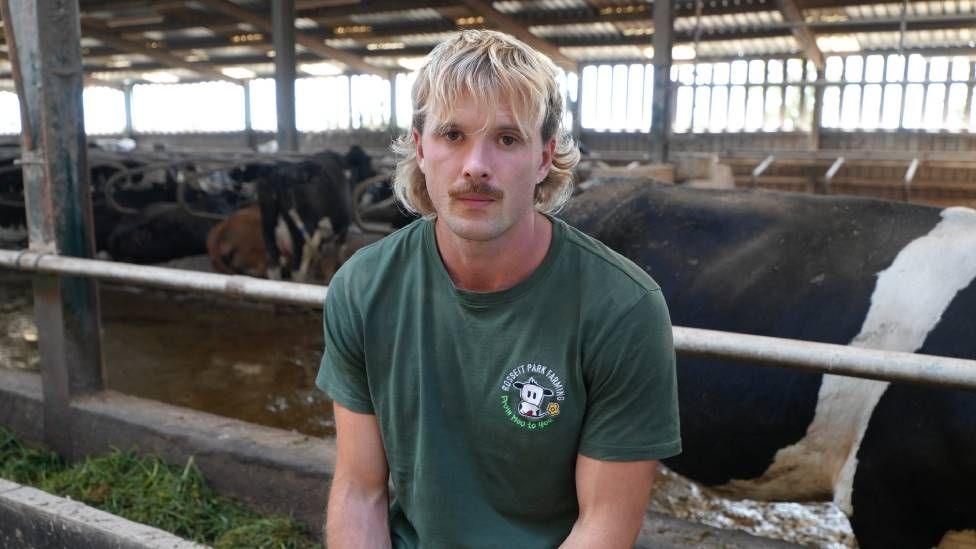
George Tomlinson says the dry weather makes him worry about the future of farming
George Tomlinson, 29, who runs Rossett Park Farming in Wrexham, said he had to sell 60 cows because the drought had killed off grazing land.
"There's nothing available for the cows to eat on the grazing platform apart from a little bit of dead grass some dry cows are eating," said Tomlinson, adding "you've got to make tough decisions in order to survive".
He said he was also worried about what the future might hold with warmer summers expected.
"If this continues a lot of farmers will be forced to close their gates and never open them again," he said, describing it as "depressing".
National Farmers Union Cymru president Abi Reader has also warned that the cost of the continuing dry and hot weather will have a financial impact on farmers.
"We're going to see costs for these farms rising, because they might be having to buy in extra feed for their livestock, or they might be spending a lot of money carting water," she said.
"We've been in this a long time now, and it's going to take a long time to recover, and absolutely everybody needs to remember that food security starts with water security," she added.
A drought occurs when a prolonged lack of rainfall and high temperatures results in critically low river flows, diminished reservoir reserves and exceptionally low groundwater levels, negatively impacting wildlife, fisheries and protected habitats.
This type of drought typically develops before agricultural impacts (like failing crops) or public water shortages happen. Impacts can include:
Shrunken rivers - a decrease in oxygen levels, an increase in water temperatures and a restriction in the migration of species like salmon
Habitat loss - reduced water levels cause riverbeds to dry up, leading to the loss of biodiversity and fish kills
Private water pressures - natural springs and private boreholes can run dry
When drought conditions , externalare identified, NRW often triggers enhanced monitoring of waterways, restricts water abstraction licences to protect low flows and leads to the release of additional water from reservoirs into rivers.