.png)
 1 month ago
83
1 month ago
83
Just now
Katya AdlerEurope editor, Brussels

 BBC
BBC
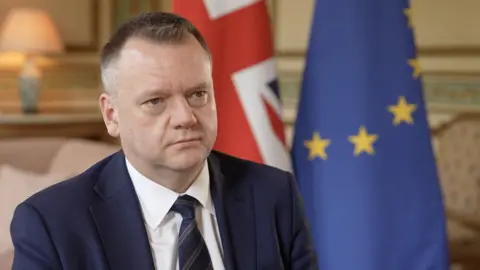
The UK is adopting a "ruthlessly pragmatic" approach to becoming closer to its European neighbours, the UK's EU minister, Nick Thomas-Symmonds, tells the BBC
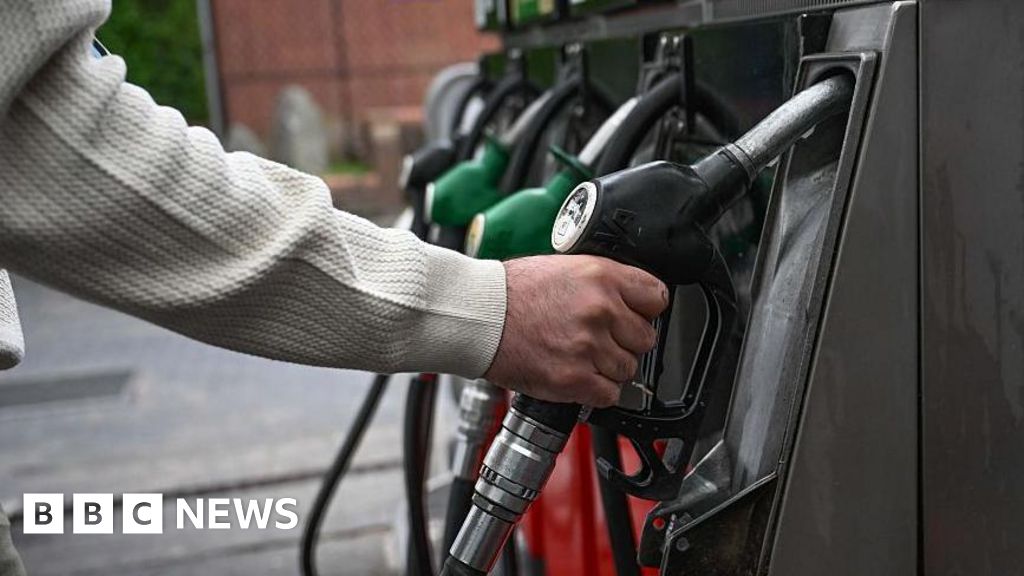
We live in hugely volatile times. In Ukraine, Europe is entering the fifth year of the worst conflict this continent has seen since World War Two, petrol prices are rising, and the global economy is under strain because of knock-on effects of the Iran war. Relations with the UK's former best friend, the United States are worsening.
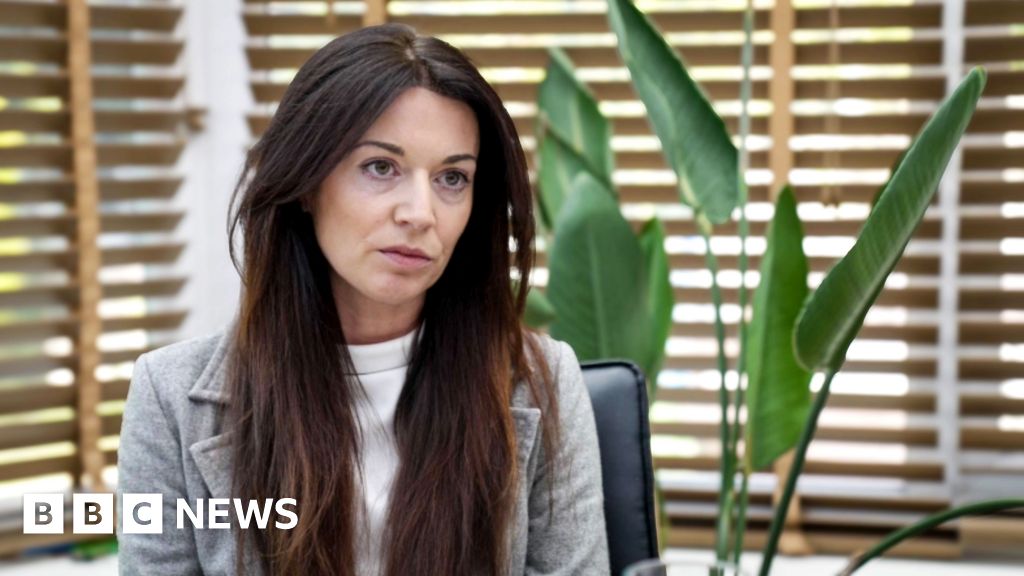
It's against this backdrop that the UK's minister for EU relations, Nick Thomas-Symonds, told the BBC that the UK is adopting an "ambitious" and "ruthlessly pragmatic" approach to becoming closer to its European neighbours - in sectors of UK national interest.
Speaking to me at the residence of the UK ambassador to the EU in Brussels, he told me he believes the UK public is more open to closer EU ties nowadays because of huge geopolitical instability: "I do find a support for closer UK–EU relations… I think there is a particular imperative at the moment… we find ourselves in a dangerous situation in the world."
The UK's increased cooperation with other European powers is already particularly evident when it comes to security and defence - take the common approach on Ukraine, for example, with the UK in a leadership role. Or the intention to work together on the joint procurement of armaments now European leaders have promised the US they'll do more for their own continental defence.
But Thomas-Symonds has his eye on economic ties.
Nearly ten years after the Brexit vote, Prime Minister Sir Keir Starmer has promised to reduce post-Brexit red tape and costs for UK companies doing business with the UK's biggest export market, the EU.
By this summer, and the second post-Brexit EU-UK summit (an exact date for that summit has yet to be announced), the UK says it will have concluded a food and agricultural safety agreement with Brussels to reduce the burden on businesses exporting sausages, for example, to Northern Ireland and the EU, as well as a deal on carbon emissions trading, and a deal on a youth "experience" programme, allowing youngsters from the EU and the UK to work or study in each others' countries for a limited time period.
On Wednesday this week, the two sides announced the UK was rejoining the EU's Erasmus+ scheme too, helping more young people from the UK to study across the bloc.
The government insists all this respects the Brexit-vote and the red lines in its manifesto: not to take the UK back into the EU or even into its single market or customs union.
But the leaders of Reform UK and the Conservative Party disagree. "Aligning" with the EU involves the UK following EU rules. It makes the UK a rule taker, not a rule maker. The main Leave campaign ahead of the Brexit vote, a decade ago now, promised the UK would "take back control" from Brussels.
The government insists that its decision to only make deals with the EU in sectors that benefit the UK, is in fact using post-Brexit national sovereignty in the UK's interest.
Starmer is planning new legislation, expected later this year, to give ministers a fast-track route for introducing draft laws to align with future European standards. It's designed to ensure a single market in the trade of certain goods and services.
Nigel Farage called the proposed bill "a backdoor attempt to drag Britain back under EU control". While Kemi Badenoch accused ministers of lacking bravery: "If you want to be in the EU, come out and say we want to go back into the EU," she said.
The government categorically denies that re-entry into the EU is its goal. And the Liberal Democrats and the UK's Green Party accuse the government of not going far enough in its attempts to get closer to the EU to help the UK economy.
Critics say Labour seems stuck between economic necessity and political constraints.
 Carl Court/Getty Images
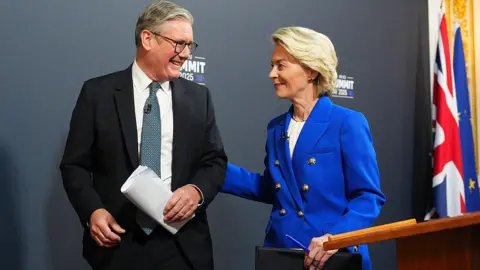
Prime Minister Sir Keir Starmer and President of the European Commission, Ursula von der Leyen, attend a press conference at the UK-EU summit at Lancaster House in 2025
But all Labour's mini deals with the EU come at a cost anyway. Brussels - though it welcomes a closer relationship with the UK - only makes deals in its own interest, it says.
Erasmus+ will cost the British taxpayer £570m for the first year alone. The UK's participation in the EU's science programme Horizon, agreed under the previous UK government, costs £2.2bn a year. Backers point out though, that, two years on from rejoining the flagship EU research programme, the UK has emerged as a leading beneficiary.
Thomas-Symonds insists he won't make any deals with Brussels that go against UK national interest. On AI, he emphasises, it's better for the UK to take a different path to Brussels. He has also refused, to date, to join the EU defence loans scheme SAFE as long as the membership cost demanded by Brussels remains too high - a €2bn (£1.7bn) financial contribution. That's roughly 10% of the UK's annual defence budget.
But the EU can demand other costs too.
French MEP Natalie Loiseau, who is a close ally of President Emmanuel Macron, told me that EU terms and conditions remain the same as they did 10 years ago, when the UK voted for Brexit. The closer the UK wants to get to the EU single market, she says, the more it will have to align with EU rules and regulations.
If the EU gets really close to the single market, Brussels could demand freedom of movement - another UK government red line.
Take a look at current UK efforts to gain access to the EU's internal electricity market. Thomas-Symonds points out that energy security is of paramount importance to the UK.
A lesson of soaring energy prices after Russia's full-scale invasion of Ukraine and now with the blocking of oil tankers in the Strait of Hormuz following US and Israeli attacks on Iran.
But Brussels says to get a deal on electricity, the UK will have to pay into the EU cohesion fund. That's a pot of money designed to help poorer EU regions to become more competitive. Would the UK accept that? I asked Thomas-Symonds.
That's just the EU's opening position at the start of negotiations, he retorted. An attempt, it seemed, to brush the subject away.
Thomas-Symonds won't be drawn into which other sectors the UK wants to align with the EU on in the future. The UK has, in the past, tried to get the EU to negotiate a deal on chemicals. Brussels demurred.
A criticism of a government focus to date on goods-based agreements with the EU is that they are insufficient to really shift the dial on the UK economy, as Chancellor Rachel Reeves says she wants. The UK economy is very much service-based.
Thomas-Symonds insists the food deal and the carbon emissions agreement alone will be worth £9bn to the UK economy by 2040. That's a long time in the future.
The European Commission - the bloc's executive arm that negotiates trade deals on behalf of EU member states, has also drawn criticism.
Countries that do a lot of trade and feel a particular affinity with the UK complain off the record that while it is important to safeguard EU interests, the commission is being "too rigid" and should be more imaginative and flexible when it comes to doing bespoke deals with the UK.
Especially, EU diplomats have told me, bearing in mind the threats to Europe economically and in security terms by China, Russia and of late, the US too.
I asked Thomas-Symonds whether this increasingly public drive by the government to break down barriers with the EU an admission that the "special relationship" with the US, that the UK has long cherished the idea of, is now over? President Donald Trump has repeatedly criticised and mocked the prime minister of late over his position on the Iran war.
"The special relationship [between the UK and the US] is deep and enduring," according to the Europe minister, adding that the UK doesn't choose between friends and allies.
Though the question remains - the more the UK aligns itself with EU rules in different sectors, the trickier it is likely to become to realise the Brexit aim of being free to close trade deals with other countries - including the United States.
Last May, Trump and Starmer announced a limited bilateral trade agreement that modestly expands agricultural access for both countries and lowers punitive US taxes on British car exports, leaving the US president's 10% tariffs on British exports in place more widely.
This week, the US president even threatened to rip this limited deal, in retaliation for the UK's refusal to join his war on Iran.