.png)
 1 month ago
34
1 month ago
34
Theo LeggettTransport correspondent

 Getty Images
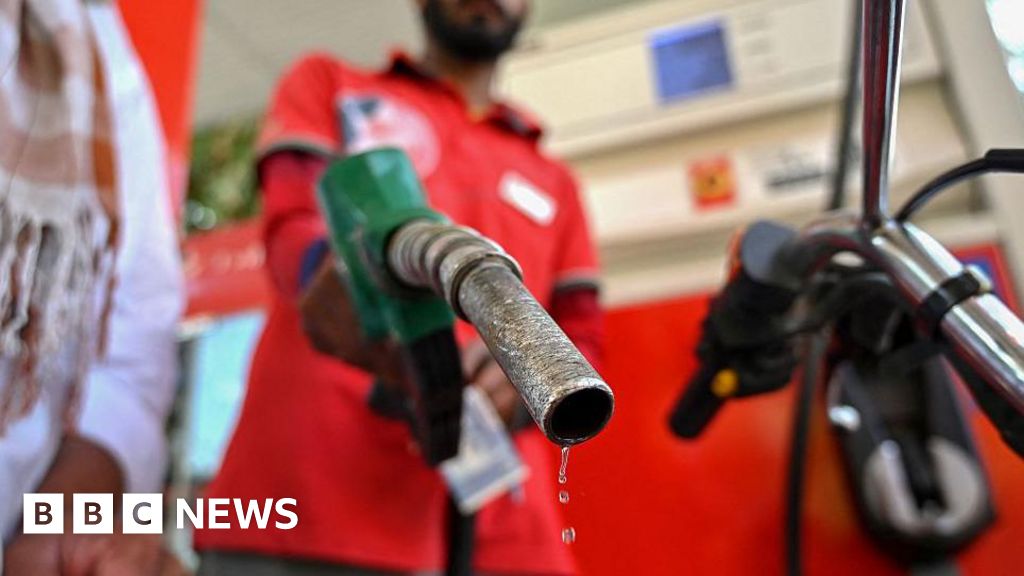
A dramatic surge in jet fuel prices could push up costs for air travellers ahead of the summer holidays and even lead to flight cancellations, analysts have warned.
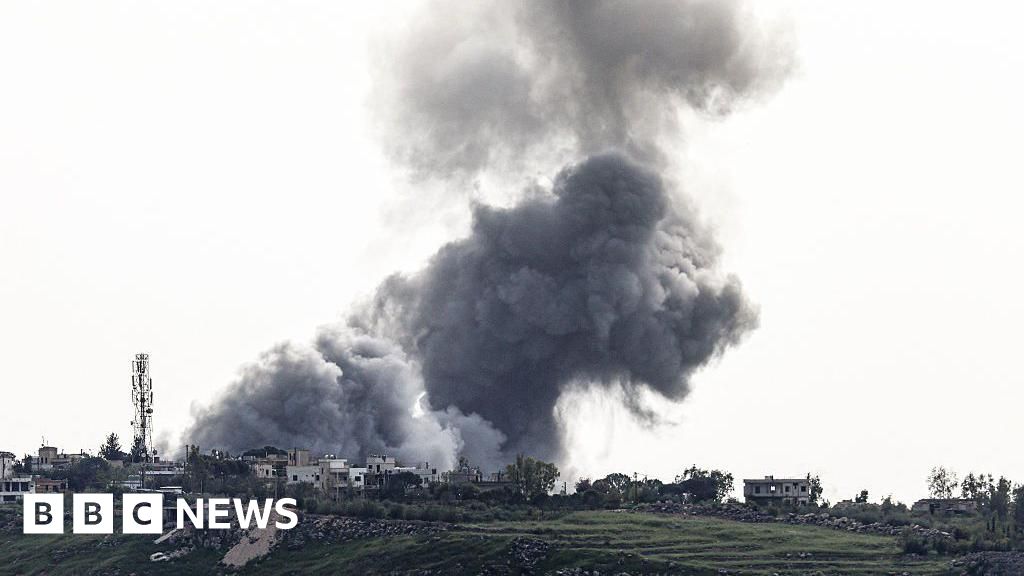
Disruption to supplies from the Gulf, in the wake of the US and Israeli air strikes on Iran, has pushed the cost of aviation kerosene up by more than 80%.
The Gulf is a major source of aviation fuel, accounting for about 50% of Europe's imports. The bulk of it comes through the Strait of Hormuz, which is effectively closed.
This week Wizz Air warned that the conflict would cut its annual profit by €50m ($58m; £43m), with jet fuel costs playing a major role.
Before the air strikes, the north-west European jet fuel price was $830 per tonne. It has since spiked to more than $1,500.
These are the highest prices the industry has seen since 2022, in the wake of Russia's invasion of Ukraine.
The surge reflects the role Middle Eastern refineries play in jet fuel supply. The Al-Zour refinery in Kuwait alone provides roughly 10% of Europe's jet fuel imports, according to Energy Intelligence.
Fuel typically makes up 20-40% of airlines' operating costs. Many airlines do use financial derivatives to secure supplies at fixed or capped prices months, or even years, in advance - a process known as hedging.
Among those which are known to have done so are British Airways, Virgin Atlantic, EasyJet and Ryanair. However, a number of large US carriers have historically preferred not to and could be exposed to short-term price increases.
"Airlines are likely to be affected by higher fuel prices," the ratings agency Fitch said in a research note this week.
"Most EMEA (European, Middle Eastern and African) carriers, including those in the Middle East, typically maintain relatively high fuel-hedging coverage. Hedge levels for the next three months range from around 50% to more than 80%," it said.
An EasyJet spokesperson said the carrier was not currently being affected by higher fuel prices.
Earlier this week, Ryanair's chief executive Michael O'Leary said the airline was well hedged against rising fuel prices, adding: "It won't affect our costs and it won't affect our low fares."
But according to James Noel-Beswick, head of commodities at market intelligence firm Sparta Commodities, a physical shortage could still cause severe problems.
"Even airlines that will have hedged… will normally have hedged their supply or have long-term contracts from Asia. Now these Asian refineries will also be receiving less crude from the Gulf," he told BBC's Today programme.
"Therefore, we will be very close to the moment where they start to reduce production rates, and… these airlines will be scrambling around to find fuel from alternative sources."
He believed that could have a major impact on travellers.
"I think we're weeks away from maybe flight cancellations or delays due to lack of jet fuel, rather than months," he said.
Asked whether prices could rise for passengers over the summer, his answer was emphatic: "Very much so."
Jane Hawkes, an independent consumer travel expert at ladyjaney.co.uk, agreed that higher jet fuel prices could lead to pricier air fares.
"Airlines tend to build fuel costs into their pricing, so if those costs stay high we may well see fares creep up as we head towards the summer holidays," she said.
"This isn't great news for families who already face seasonal price hikes at this time of year and whose budgets are already tight due to the ongoing price rises across the board."
However, she added that people who have already purchased air fares "should not suddenly be presented with an extra fuel surcharge".
"When you book a flight, the price you pay should be the final price and it should be honoured," she said.