.png)
 1 month ago
38
1 month ago
38
Alison Holt,Social affairs editorand James Melley,Senior social affairs producer

 Supplied
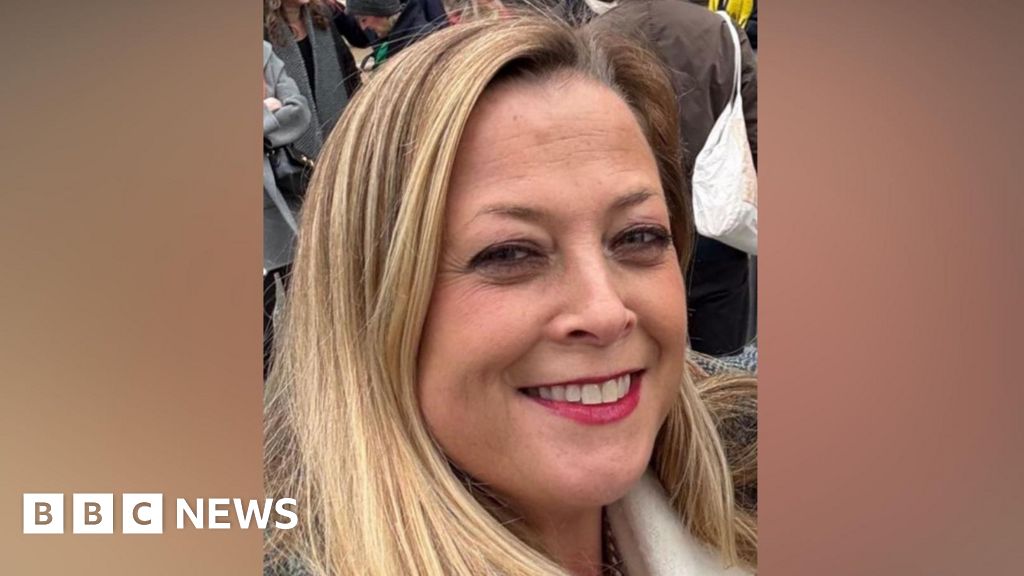
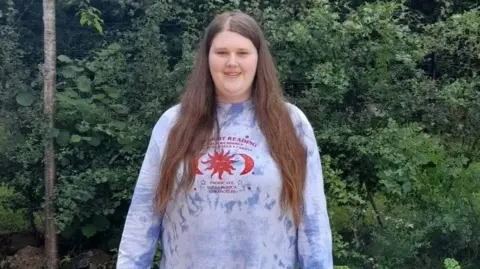
The inquest into Molly-Star Kirk's death concluded on Friday at Nottingham Coroner's Court
Three women died in a private mental health hospital where staff were not carrying out proper checks and in two cases falsified documents to say that they had, a BBC investigation has revealed.
Molly-Star Kirk, Cherie Boulton and Leona McKenzie were all patients at the Farndon Unit in Newark, Nottinghamshire, when they died between 2022 and 2024.
The BBC has spoken to their families, former patients and staff at the unit and followed the women's inquests. All pointed to similar failings in care.
The coroners said there was no evidence these failings caused the deaths. Elysium Healthcare, which runs the unit, apologised to the patients' families for the shortcomings in care.
Warning: This story contains references to self-harm and suicide
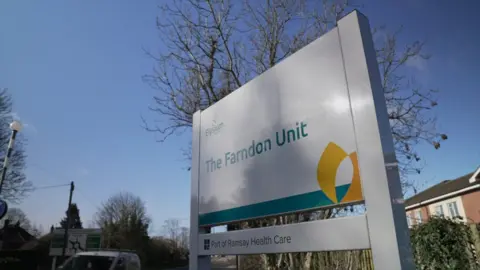
Elysium Healthcare runs the Farndon Unit in Newark
Like many 20-year-olds, Molly loved having fun on social media. She recorded videos of her lip-syncing to pop songs and practising dance routines, as well as her struggles.
While the camera on her phone filmed her day-to-day life, the CCTV at the mental health unit she and two other women were detained, captured staff that were meant to be looking after them not doing their jobs.
Molly had struggled with her mental health since her early teens following an assault.
She would often try and self-harm and had made attempts to take her own life. At the time of her death, she had a diagnosis of EUPD (emotionally unstable personality disorder).
After seeking help, she was moved from mental health unit to mental health unit, sometimes many hours from the family she loved in Milton Keynes.
In the summer of 2021, she was moved to the Farndon Unit.
She was an inpatient on an acute mental health ward called Aster.
The inquest following her death, held at Nottingham Coroner's Court, was told she was having an increasing number of non-epileptic seizures, linked to the trauma she experienced as a child.
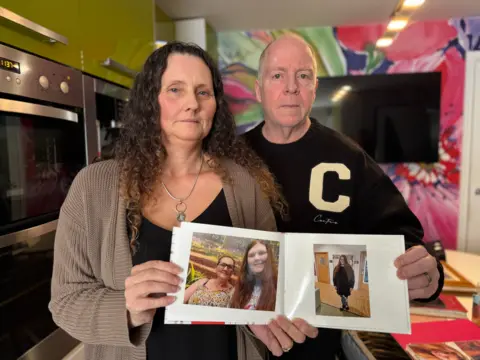
Molly's mother Kay and stepfather Peter, said staff "brushed off" her concerns
The coroner heard some staff and patients thought she was faking the seizures to get attention.
Her stepfather, Peter, said they believed staff "would just brush off Molly's concerns" about her health and "not take them seriously".
He described that as "appalling," adding "if you're there to take care of somebody, then you take care of them".
The coroner heard that, the day before Molly died, she called 999 saying she had had four or five seizures.
She was known for calling the ambulance or asking to go to hospital often. Staff told the ambulance service that it was "a prank call", however the records note she had three seizures that day and the inquest heard no staff member asked her why she was seeking help.
Molly, the inquest was told, was increasingly agitated and at one point ran into a glass door, banging her head hard. During the day, she was given two separate high doses of anti-psychotic drugs to calm her down. This is called rapid tranquilisation.
In the previous three months, she was given this type of rapid medication on 30 occasions.
On 28 May 2022, CCTV shows Molly going to her room at 23:38 BST. It is the last time the cameras show her alive.
At 14:30 the following day, she was found dead.
Molly had a history of self-harm so was on a high level of observations. The inquest heard she should have been checked 12 times an hour - about every five minutes - to ensure she was safe and breathing.
The paperwork was filled in to say that this happened, but when police checked the CCTV, it was a different story.
The staff were "sitting around in the lounge area" watching the television, Molly's mum Kay Kirk said, and there was only one nurse on duty when there should have been two,
"And in my eyes, it wasn't just Molly that wasn't being looked after, it was the other patients in there as well," she said.
Over the 15 hours before Molly was discovered, less than half - 44% - of the required observations were carried out, and some of those that did happen lasted just seconds, the inquest heard.
The inquest also heard the emergency response when she was found was slow and chaotic.
"It was just a shambles on the day that she died," Kay said. "The amount of time it took for CPR to take place and the defibrillator to get into the room."
The inquest was also told the staff member who called the ambulance did not know the correct address.
At the end of Molly's inquest, the coroner Laurinda Bower described a series of "gross failures" in how she was treated and said there was a "dangerous culture that harboured a lack of care" on the ward.
However, the coroner could not find what caused Molly's death and was unable to say the way she was treated had caused her death
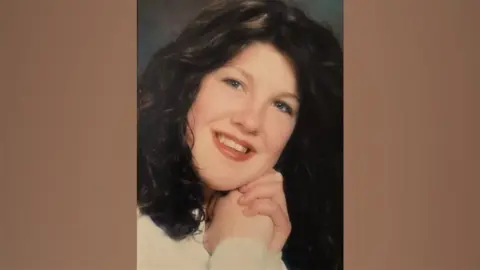 Supplied
Cherie Boulton was found dead in the unit less than two months after Molly died
Less than two months after Molly died, another patient at the unit was found dead in her room.
Cherie Boulton was on a different, low secure ward, called Ruby Frost, and was hoping to be discharged soon.
Her family said the 41-year-old had spent about 20 years in various mental health units but was due to move into an assisted living flat within six weeks. She had paranoid schizophrenia among other mental health conditions.
"I think she was excited because she'd been in these places for such a long time, but she was nervous," her sister Gemma Boulton said.
Cherie was on hourly checks, the inquest into her death heard in July 2023.
Overnight, in the hours before she was found dead, all but one of the expected observations happened, but CCTV suggested staff only spent seconds observing whether she was safe and breathing, checking through a small window in her bedroom door.
As was the case with Molly, an observation was recorded, but it did not actually happen.
In documents seen by the BBC, staff said they were unable to see whether or not Cherie was breathing when they carried out their checks.
"Surely when you're checking on someone, you've got to go in to check they're OK," Cherie's mum Lynn said.
Cherie was found at 08:40 in the morning. The inquest was told rigor mortis - the stiffening of the body after death - had set in.
Although this generally happens hours after someone dies, the coroner in her inquest said it could not be used to provide an accurate time of death.
Her family says other patients at the unit have told them that Cherie had felt unwell the night before, but there is no record of this.
The inquest found Cherie died from pneumonia. The coroner found no evidence that failures in treatment contributed to her death.
Police investigated both Molly's and Cherie's deaths. No-one has been charged.
"She's been gone for three years now, and it still hurts and it's still painful and it always will be," Lynn said.
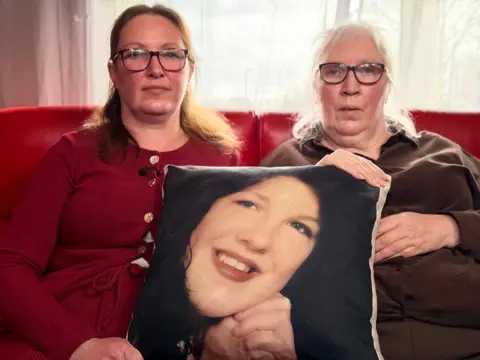
Gemma (left) and Lynn Boulton said Cherie's death was "still painful"
Two years later, Leona McKenzie spent two days as a patient on the Farndon Unit.
The 36-year-old was taken there after having a mental health crisis.
On the morning of 16 October 2024, she became increasingly distressed and was placed on a high level of one-to-one observations. She was meant to be kept in line of sight by a staff member at all times.
At 12:05, CCTV shows she fell backwards hitting her head hard on the ground.
"[Her head] literally bounced off the floor, off the hard laminate flooring," Leona's sister Veronica said.
She added that staff "had their backs to her while she just laid there for over a minute, completely motionless".
This was not reported to the nurse. Ten minutes later, Leona was restrained and given rapid tranquilisation.
She was then recorded as pacing around, hitting her head and screaming for a doctor. By 12:41, she was said to be sleeping.
The inquest into her death, held in 2025, was told staff who were meant to be observing her were sitting outside her room and could only see her feet.
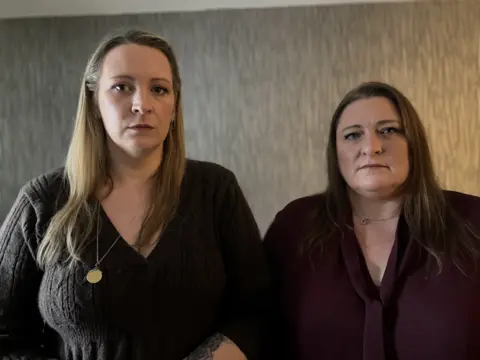
Leona McKenzie's sisters Michelle (right) and Veronica believe she would still be alive had CPR been carried out straight away
"It's no good sitting outside a door with a door mostly closed," says Leona's eldest sister, Michelle. "That's not observing."
She believes with proper observations, the deterioration in her health might have been spotted.
Michelle also questioned why someone who had just hit their head hard, was given a sedative and allowed to sleep.
At 13:15, a nurse went into Leona's room and found her unresponsive. The inquest heard it took seven minutes before CPR started because they were waiting for four staff members to lift Leona on to the floor.
"I do think she'd still be here today, I really, really do, if they had done [CPR] when they first found her," Veronica said.
When paramedics arrived, they managed to restart Leona's heart, but she did not regain consciousness and died two days later in hospital.
 Supplied
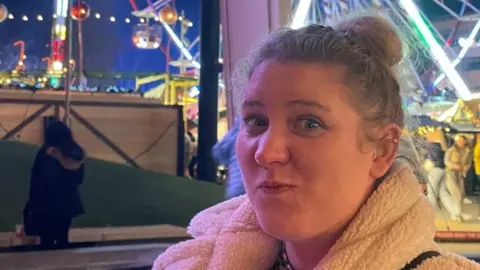
Leona died in the unit on 16 October 2024
Elysium Healthcare, which runs the unit, dismissed two healthcare assistants for gross misconduct because of concerns about the quality of observations carried out. They are appealing against the decision.
An inquest jury concluded Leona died from a cardiac arrest, but the underlying cause of her sudden deterioration was given as unascertained. The coroner directed the jury they could not conclude failures in observation led to her death.
Both Michelle and Veronica feel angry about what they see as the poor treatment their sister received.
Having discovered the details of the other deaths, they also question whether lessons have really been learned at the Farndon Unit.
"I think on paper lessons have been learned, but not put into practice," Michelle said. "They will change the policy, but then things still keep seeming to happen."
Elysium Healthcare has yet to comment on Molly's case, but previously told the BBC its thoughts were with the families of Leona and Cherie.
A spokesperson said: "In each case, the respective coroners identified instances where procedures had not been fully followed, as they should have been.
"We apologise unreservedly for this. In both inquests the coroners, after hearing from detailed expert evidence, did not find that these shortcomings contributed to either death.
"This, of course, does not lessen the loss for Cherie's and Leona's families and our thoughts remain with them both. We are committed to a culture of openness and continuous improvement."
- If you have been affected by any of the issues raised in this article, support is available via the BBC Action Line