.png)
 1 month ago
30
1 month ago
30
Arsenal
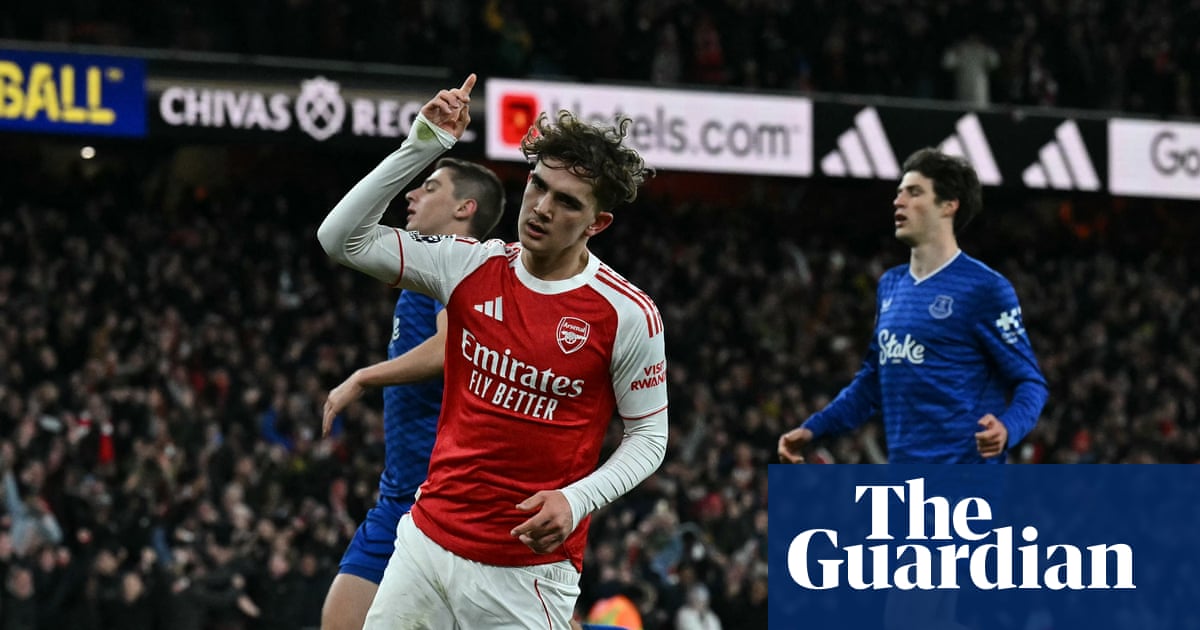
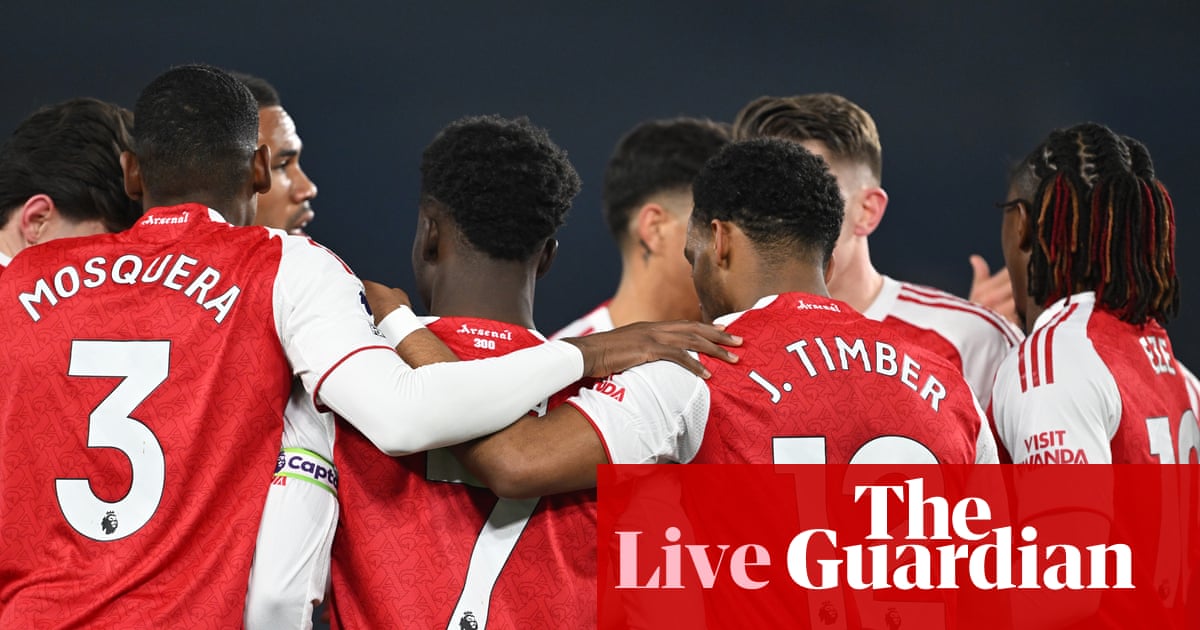
The appointment of Andrea Berta as sporting director in March was greeted with much enthusiasm by Arsenal’s supporters, given his impressive track record in more than a decade at Atlético Madrid,. The Italian, who began his career in finance, has made an instant impression. Known as a shrewd negotiator, the suave and softly spoken 54-year-old masterminded Arsenal’s outlay of more than £250m in the summer that included the arrivals of Viktor Gyökeres, Eberechi Eze and Noni Madueke. Berta takes the lead on recruitment in consultation with Richard Garlick, who was promoted to chief executive in September, the manager, Mikel Arteta, and the co-chair Josh Kroenke. James Ellis, a former scout who then spent two years as head of recruitment, was appointed as technical director in the summer and is tasked with “delivering the club’s long-term player progression strategy”, with a focus on creating a pathway from academy to first team. Ed Aarons
Aston Villa
Roberto Olabe gave his former Real Sociedad teammate Unai Emery a second crack at management, at second-tier Almería in 2006, and last October it was a role reversal of sorts when Olabe was appointed president of football operations. Emery turned to his fellow Basque to replace Monchi, who wanted to return to Spain after growing frustrated. Olabe works closely with Emery and Damian Vidagany, Villa’s director of football operations and Emery’s right-hand man. Olabe, a former goalkeeper, won acclaim for his work at Sociedad, where he bought and sold Alexander Isak, loaned Martin Ødegaard and oversaw the development of Martín Zubimendi. On Olabe’s arrival the Villa co-owner Nassef Sawiris highlighted Olabe’s “reputation as someone who can spot talent that can be developed”. But, make no mistake, Emery is both manager and kingmaker at Villa. Ben Fisher
How do I sign up for sport breaking news alerts?
ShowDownload the Guardian app from the iOS App Store on iPhone or the Google Play store on Android by searching for 'The Guardian'.
If you already have the Guardian app, make sure you’re on the most recent version.
In the Guardian app, tap the Profile settings button at the top right, then select Notifications.
Turn on sport notifications.
Bournemouth
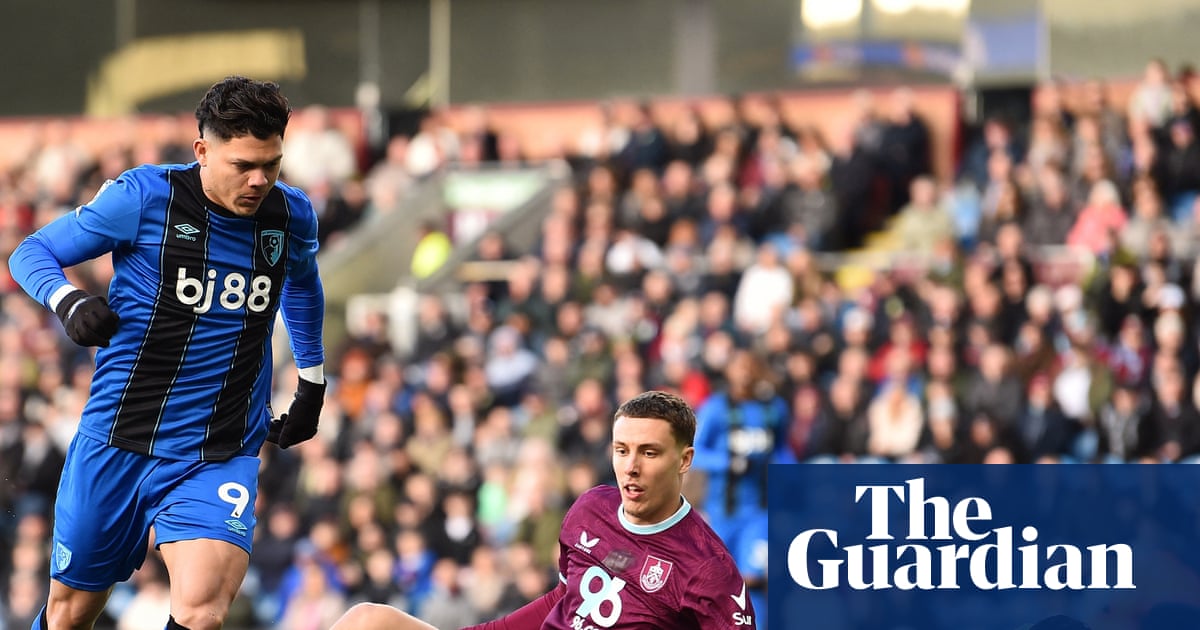
Tiago Pinto was appointed the club’s first president of football operations towards the end of 2023-24 after holding similar executive roles at Roma and Benfica. The Portuguese in part succeeded Richard Hughes, who joined Liverpool, to oversee recruitment and the wider football business operation, but works in tandem with the technical director and former defender Simon Francis, who stepped up from his role as assistant when Hughes departed, and the longstanding chief executive Neill Blake. In the past 12 months, Pinto, who in Italy worked with José Mourinho, has brokered the sales of Dean Huijsen, Milos Kerkez and Antoine Semenyo, deals worth more than £150m combined. “When these big clubs knock on our door, it’s difficult to stand in the players’ way,” said Pinto, who together with Francis continues to find value in the market . BF
Brentford
Phil Giles, often referred to as the architect of Brentford’s success, has been the director of football since 2015, initially sharing the role with Rasmus Ankersen. Giles was brought in by Matthew Benham, having been the head of quantitative research at the club owner’s company, Smartodds. Giles had no background in football, rather mathematics and statistics – which he studied at Newcastle University – and he has overseen an approach in which data is king, as well as an absolute faith in the club’s structures. It was never more evident than last summer when Giles responded to the departure of Thomas Frank by promoting the set-piece coach, Keith Andrews, as the manager. Andrews had never managed previously. Frank had also been an internal appointment. Giles is responsible for the overall strategy of the football department, although he is best known for his work on the recruitment front; his focus is on squad management and planning, including the contractual side. Together with the technical director, Lee Dykes, Giles will do most of the running around on transfers and has a reputation as a tough negotiator. David Hytner
Brighton
There have been some big changes since September, when the club parted company with David Weir after the former Scotland defender’s seven year spell as technical director. Jason Ayto, who spent seven months as Arsenal’s interim sporting director after Edu Gaspar joined Nottingham Forest in 2024, was swiftly appointed as sporting director. The 40-year-old, who started his career at Norwich, has responsibility for “all footballing areas of the club”. That includes recruitment, where Brighton have traditionally relied on a data-driven strategy developed by the owner, Tony Bloom, but Ayto also works on player performance alongside the technical director, Mike Cave, the former academy director at Fulham. The former All Blacks strength and conditioning coach Mike Anthony was announced as the club’s first head of player development and high performance this week. EA
Burnley
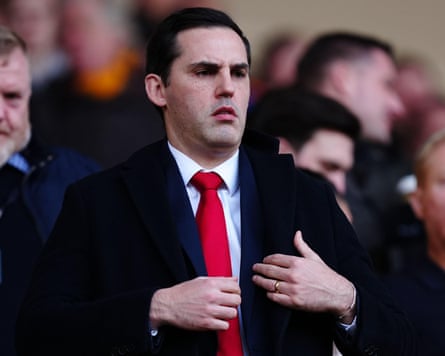
The club have a relatively traditional transfer setup without a sporting director as a focal point. The recruitment team, which has up to 12 members, is in charge of finding targets for desired positions and will put names forward to the technical committee for consideration. The chair, Alan Pace, the manager, Scott Parker, and the highly experienced chief operating officer, Matt Williams, sit on the panel, along with a couple of others. Everyone gives their opinion on the suitability of candidates, based on football and finance, but the manager has the final decision regarding whether he wants to sign and work with a player. The structure provides collective responsibility with strong focus on the immediate needs of the first team and manager. Will Unwin
Chelsea
Deep breath. Chelsea have not one, not two, not three, not four, but a whopping five sporting directors. The system was implemented after the Todd Boehly-Clearlake Capital takeover in 2022 and is not going anywhere despite external criticism. Chelsea feel their setup ensures duties are clearly defined and prevents power from being held by one individual. Head coaches have to adapt. Paul Winstanley, previously at Brighton, and Laurence Stewart, once of Monaco, lead the recruitment team and are not short of support. Joe Shields is sporting director for scouting and talent and has used past links with Manchester City to identify signings. Dave Fallows, who leads football development, is credited with Liverpool’s signing of Mohamed Salah. Sam Jewell, who adds to the Brighton connections, looks after global recruiting and is heavily involved with Strasbourg, Chelsea’s partner club. Liam Rosenior, the new head coach, has a lot of faces to remember. Jacob Steinberg
Crystal Palace
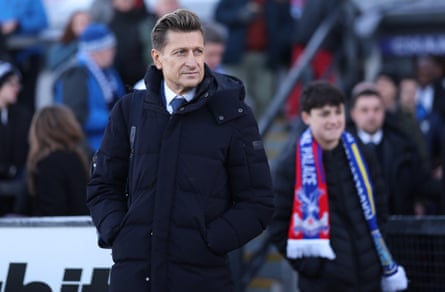
After a summer of upheaval sparked by the long-serving Dougie Freedman’s departure for Saudi Arabia in March, Matt Hobbs stepped into the sporting director’s shoes having filled the same role at Wolves. The 45-year-old began as a scout for Wolves’ academy and was promoted to sporting director in 2022. At Palace he reports to the chair, Steve Parish, who usually has the final say over transfers in consultation with the other board members: David Blitzer, Josh Harris and Woody Johnson, who bought a 43% stake last year. Iain Moody, who was the first sporting director at Selhurst Park before resigning in 2014, is understood to retain a consultancy role. EA
Everton
Everton moved away from a director of football model when Kevin Thelwell’s contract expired at the end of last season. The new CEO, Angus Kinnear, had argued as part of his presentation to the owner, The Friedkin Group, that the responsibilities of the job were too varied for one person and should be delegated between several experts who work together to support the managers of the men’s and women’s teams. TFG backed Kinnear to the hilt, not only taking his advice to work with the data consultancy Insight Sport, but buying the company. Everton have a football leadership structure comprising Nick Cox (former academy director at Manchester United) as technical director, James Smith (formerly director of scouting and recruitment at the City Football Group) as director of scouting and recruitment, Chris Howarth (founder of Insight Sport) leading the football strategy and analytics operations and Nick Hammond (most recently a transfer consultant at Leeds and Newcastle) leading player trading activity. David Moyes has the final say on transfers. Andy Hunter
Fulham
Tony Khan started working on transfers in 2016 and became sporting director a year later. Khan is the son of Fulham’s owner, Shahid, and makes extensive use of analytics to inform recruitment choices. However, much of the power is held by Fulham’s manager, Marco Silva. He has a big say on transfers and has been allowed to build a team in his image. Replacing him will not be easy if he leaves this summer. Fulham have slightly gone against the grain. The budget is not vast and Silva has often taken chances on players discarded by other Premier League clubs. He has an experienced, hardened group with a sprinkling of young talent. Kevin, the 23-year-old Brazilian winger, has looked promising since joining from Shakhtar Donetsk in September. JS
Leeds United
Adam Underwood, mild-mannered and unassuming, joined Leeds as academy manager in 2014, helping produce players such as Archie Gray and Charlie Cresswell before becoming head of football operations in 2023. Angus Kinnear’s move to Everton at the end of last season prompted a boardroom reshuffle that led to another internal promotion for Underwood when he became sporting director. Underwood works closely with the managing director, Robbie Evans, who, in a previous role as chief strategy officer, held considerable responsibilities in recruitment and analytics. Now Underwood, assisted by the head of recruitment, Alex Davies, does the bulk of the hard yards when it comes to reinforcing the team. He is also charged with implementing the overall vision of Leeds’ owners, the San Francisco-based 49er Enterprises. Louise Taylor
Liverpool
Michael Edwards became Liverpool’s first sporting director in 2016 and the incumbent, Richard Hughes, was his first appointment when returning to the club as Fenway Sports Group’s chief executive of football in 2024. Edwards had been enticed back when FSG, Liverpool’s owner, decided to restructure football operations and offer him greater authority after Jürgen Klopp’s exit as manager. Hughes and Edwards have been friends since meeting at Portsmouth more than 20 years ago, where they were player and performance analyst respectively, and it was the former’s work as Bournemouth’s technical director that landed him the job at Liverpool. The 46-year-old keeps a low profile, but, while answerable to Edwards, is hugely influential. It was Hughes’s responsibility to identify Klopp’s successor, Arne Slot, and the pair speak on a daily basis. Hughes appointed Andoni Iraola as Bournemouth’s head coach. The multilingual Scot also led Liverpool’s record-breaking recruitment drive last summer. AH
Manchester City
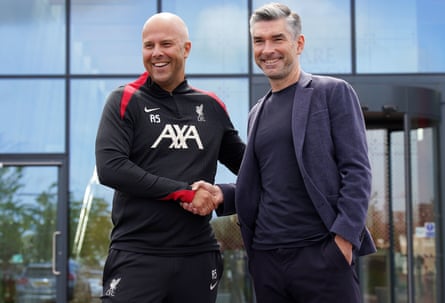
Does Hugo Viana have the easiest director of football job? He replaced Txiki Begiristain last summer, taking over from a Spaniard who was a key part of City’s generational success at a club with a best-in-class structure chaired by Khaldoon al-Mubarak, with Ferran Soriano as the chief executive, and led by an all-time great manager, Pep Guardiola. Viana, unlike his opposite number at Manchester United, where the pressure is on to somehow reverse a lurching juggernaut, was hired as a cog in a smooth-running machine. At the halfway stage of the season, City are second in the Premier League, the Carabao Cup semi-finals, the FA Cup fourth round and fourth in the Champions League group phase with two games remainingA first window when he acquired Rayan Cherki, Tijjani Reijnders, James Trafford, Rayan Aït-Nouri and Gianluigi Donnarumma appears a roaring success. Jamie Jackson
Manchester United
So far, not so very good is a polite way of describing Jason Wilcox’s tenure since he was appointed last June after promotion from the technical director position he undertook when joining in April 2024. Wilcox signs off transfers so a summer window that featured two No 10s being acquired in Bryan Mbeumo and Matheus Cunha, when one might have sufficed and freed up funds for a much-required defensive midfielder, was hardly great. Then there were the past couple of weeks. A disagreement with Ruben Amorim over team policy left the manager upset on the Friday before a Sunday game at Leeds. After a 1-1 draw, the head coach voiced his dismay, saying: “Every department, the scouting department, the sporting director, needs to do their job.” By Monday morning he was sacked. Could Wilcox have smoothed this over rather than push the nuclear button? A subsequent eight-day process that included Darren Fletcher being installed as an interim to the interim in Michael Carrick was pure West End farce fodder. JJ
Newcastle
Newcastle have not had much luck with sporting directors since their Saudi Arabia-led takeover in October 2021. First, Dan Ashworth swiftly had his head turned by Manchester United and defected for an ill-starred stint at Old Trafford, then Paul Mitchell lasted less than a year and never saw eye to eye with Eddie Howe. Newcastle’s manager enjoys considerable power and was consulted throughout a recruitment process that led to Ross Wilson’s appointment to the job in October. The 41-year-old Scot joined from Nottingham Forest where, as chief football officer, the former Southampton and Rangers sporting director was widely praised for some inspired signings. Wilson is big on communication and connectivity and has a reputation for preventing tricky transfer deals from collapsing. “I am firmly of the belief that without high levels of emotional intelligence it is very difficult to make a success of any elite role in football,” he says. At Newcastle, Wilson’s role extends beyond a recruitment department where he is assisted by Steve Nickson and the manager’s nephew Andy Howe to, among other spheres, a second-tier women’s team the ownership are very keen to see promoted, the academy and the medical department. LT
Nottingham Forest
This season has brought numerous changes in football operations. In the summer the former Arsenal sporting director Edu was given the lofty title of global head of football, overseeing recruitment strategy, among other things, for all of Evangelos Marinakis’s clubs, which was regarded as a coup, but has not been backed up. Ross Wilson left for Newcastle. His exit fortified the role of George Syrianos, the global technical director, who has been integral in Forest’s recruitment over several seasons. The highly respected Syrianos worked alongside Edu on the appointment of Sean Dyche as Ange Postecoglou’s replacement and they are also combining to identify and acquire January targets. Marinakis remains influential on important decisions, he was the one who sacked Nuno Espírito Santo and appointed the former Tottenham head coach, without success. WU
Sunderland
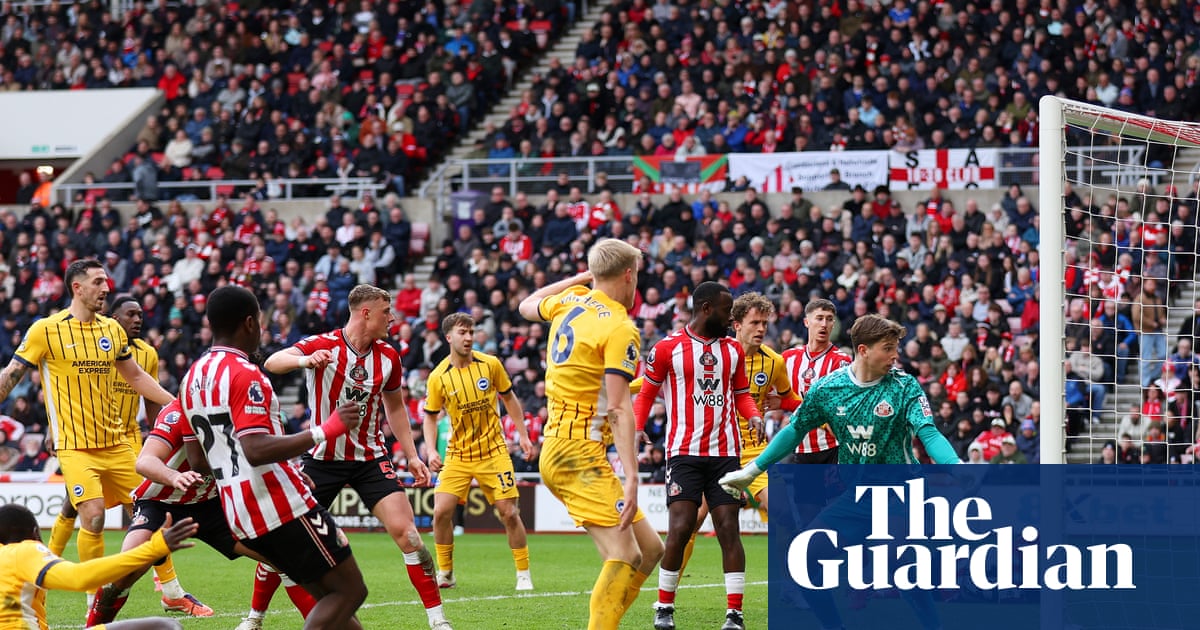
The titles sporting director and director of football usually involve remarkably similar job descriptions but, unusually, Sunderland employ both: Kristjaan Speakman and Florent Ghisolfi respectively. Speakman, 46, joined five years ago from Birmingham, where he had headed the academy and played a key role in the development of Jude and Jobe Bellingham. His remit is wide ranging, but it was Speakman’s development of a recruitment strategy marrying data analytics with human intuition and concentrating on signing undervalued young players with high untapped potential that has transformed Sunderland. Ghisolfi, 40, is assuming considerable responsibility for recruitment after arriving from Roma in early July. The Corsican, who had a modest playing career in France before becoming assistant manager at Lorient then sporting director at Lens, Nice and Roma, helped mastermind Sunderland’s acquisition of 14 players during an extremely busy summer. Ghisolfi is also regarded as something of a general manager and is regularly seen in the dressing room on matchdays. He and Speakman have introduced a system where first-teamers are encouraged to mentor academy players. They have strong relationships with Régis Le Bris, the head coach who worked with Ghisolfi at Lorient. LT
Tottenham
Spurs confirmed the full-time return of Fabio Paratici in October, saying he would operate as the joint sporting director with Johan Lange, who was promoted from technical director. The idea in terms of player recruitment was for Paratici to use his expertise and contacts to focus on top-end signings, with Lange looking more at younger incomings. But it is changing again with Paratici to move to Fiorentina after the January window. Lange joined in October 2023 from Aston Villa, where he had been the technical director, establishing a reputation for a data-driven approach, but the signings on his Spurs watch have been criticised. Lange was instrumental in the hire of his fellow Dane Thomas Frank, with whom he first crossed paths at B93 in 2004. Lange went on to work with Frank at Lyngby. DH
West Ham
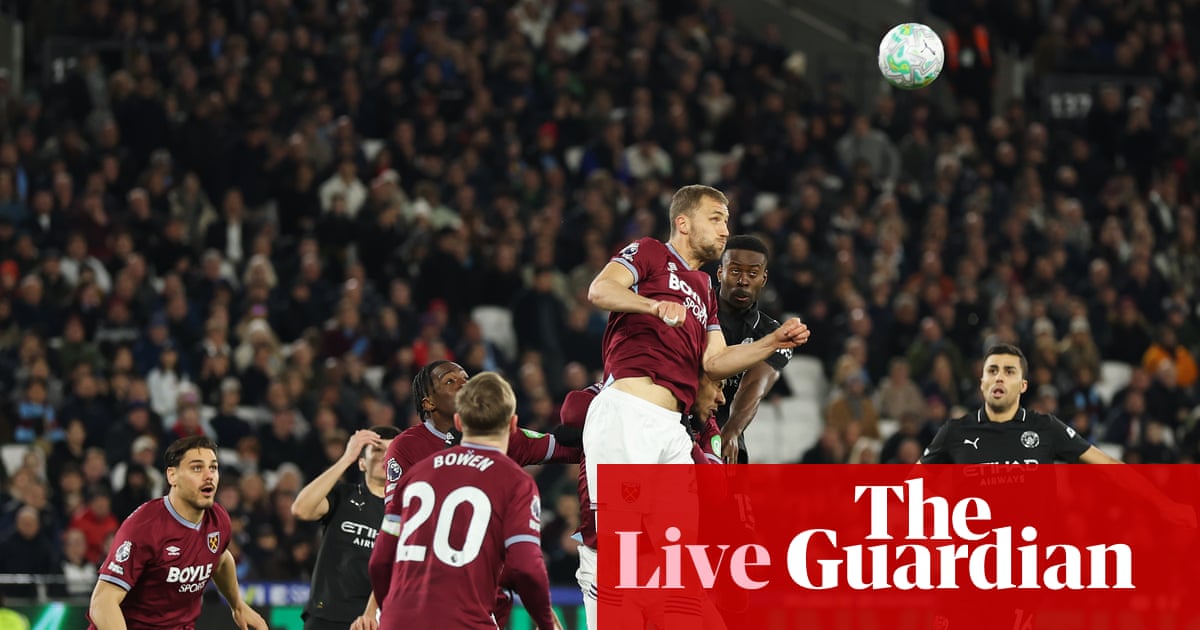
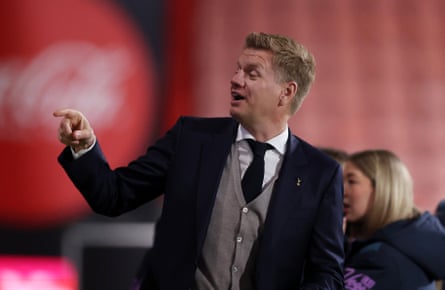
There is no grand vision to West Ham’s recruitment. They veer from one model to another and their efforts to modernise have lacked conviction. They had a brief, disastrous, dalliance with Tim Steidten as technical director. The German left last year and was replaced by Kyle Macaulay, who took over as head of recruitment. But Macaulay joining from Chelsea was linked to Graham Potter’s appointment as manager. Their fates were intertwined and Potter’s firing in September meant West Ham reverted to David Sullivan, the largest shareholder, becoming more involved in transfers. Sullivan has been working with Nuno Espírito Santo to secure the manager’s picks. Maximilian Hahn, a German who joined under Steidten, holds the role of head of technical recruitment and analysis. There is no traditional sporting director, though. The signings of Taty Castellanos and Pablo Felipe were driven by Nuno. JS
Wolves
It has been all change at Wolves this season and the former Everton, Norwich and Wigan defender Matt Jackson was appointed technical director at the end of last year, after Domenico Teti followed Vitor Pereira out of Molineux. Jackson, a former agent who also had a spell as president of Grasshoppers Club Zurich, once a sister club owned by Fosun, joined Wolves in 2021, initially as strategic player marketing manager but more recently was promoted from hdirector of player recruitment and development. Jackson returned to Wigan in 2015 as head of football operations under manager Roberto Martínez. Now the 54-year-old works closely with the club’s head coach, Rob Edwards, and the rest of the football leadership team, which includes the director of football operations, Matt Wild, and director of performance, Phil Hayward. BF