.png)
 1 hour ago
3
1 hour ago
3
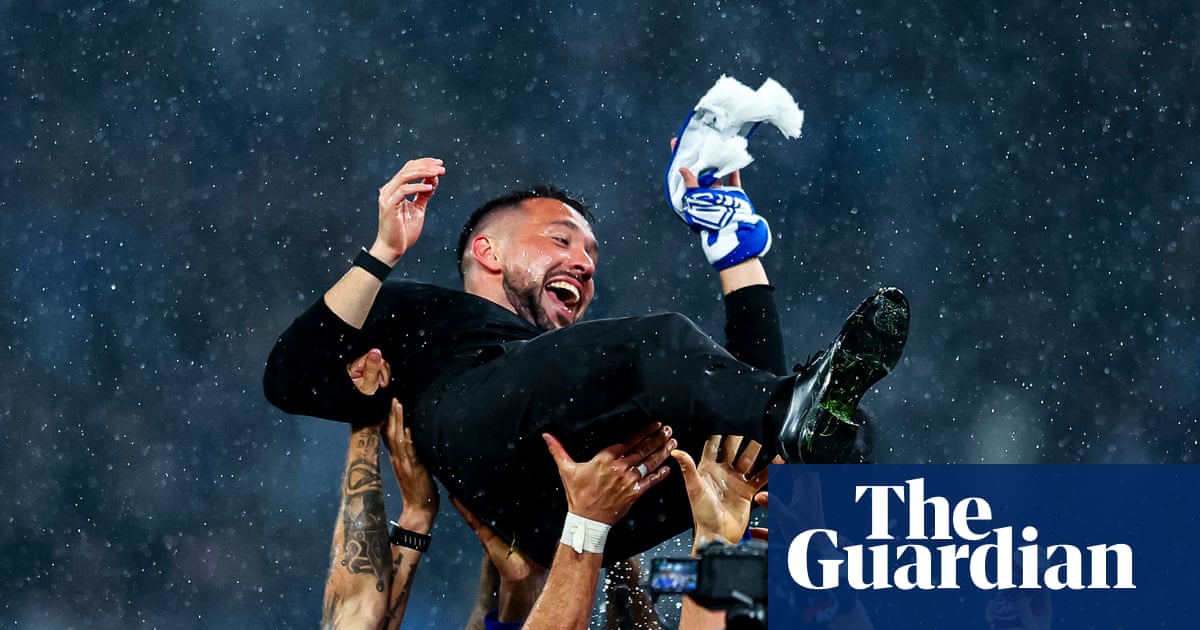
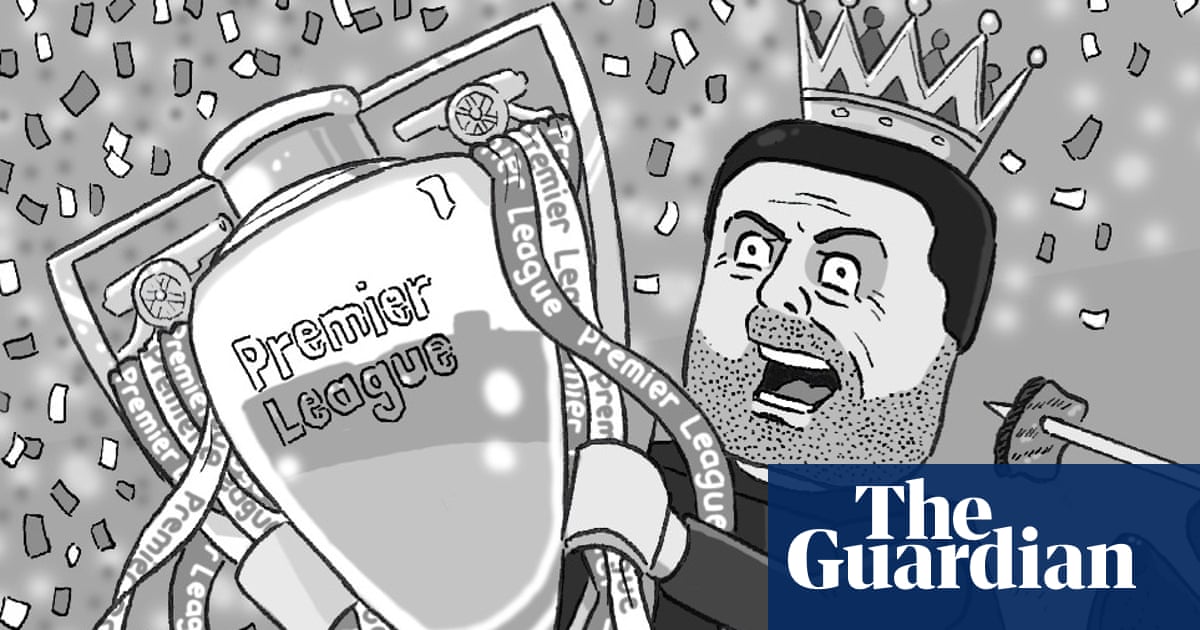
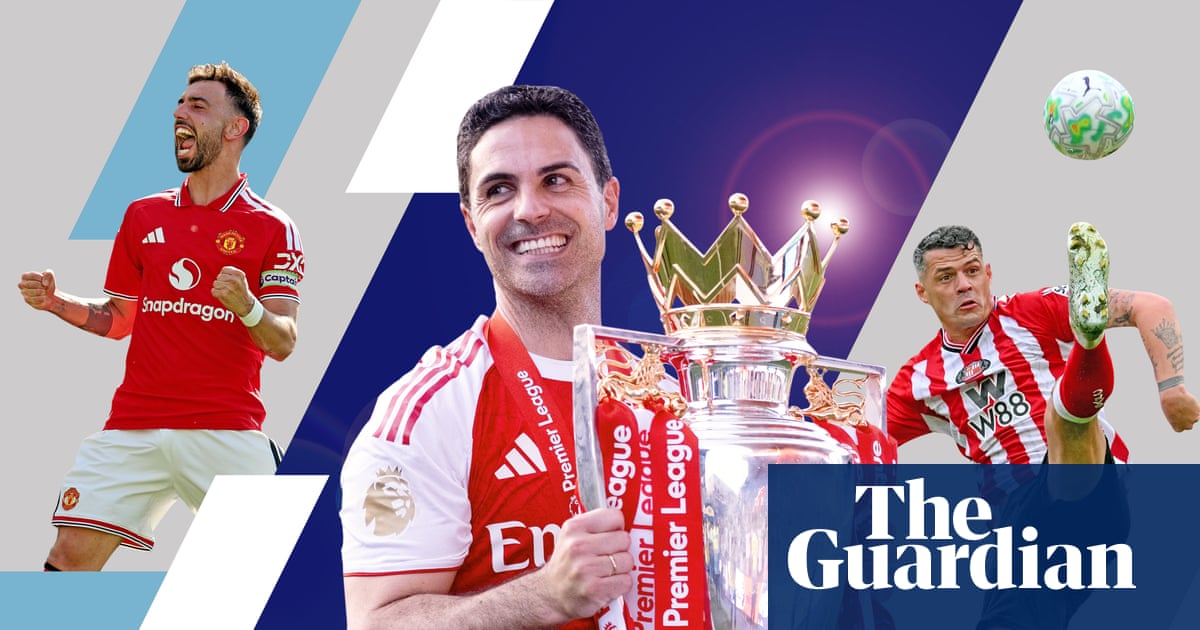
Arsenal: predicted 2nd, finished 1st
What we predicted: Mikel Arteta vowed this would be a “big summer” after finishing as runners-up in the Premier League for a third season in succession and the new sporting director, Andrea Berta, has delivered on a number of signings in his first transfer window. The question now for Arsenal supporters is whether Martín Zubimendi, Christian Nørgaard, Noni Madueke, Viktor Gyökeres, Cristhian Mosquera and Kepa Arrizabalaga can help them take that elusive final step to becoming champions for the first time since the Invincibles in 2004.
What actually happened: The new signings strengthened the squad and Arteta did the business, guiding the club to their first title in 22 years and their first Champions League final since 2006.
Manchester City: predicted 3rd, finished 2nd
What we predicted: Plenty of money, about £300m, has been spent over the past eight months to get City back on track after a disastrous season by their standards. They finished a distant third and lost the FA Cup final, leaving them trophyless. The latest crop of incomings got a brief taste of life under Pep Guardiola at the Club World Cup and all showed promise. After Rodri missed most of last season, it feels as if his fitness will decide the fate of the team. If Guardiola can get him back to his best – and keep him fit – after a horrible injury, then City can feel excited once again.
What actually happened: City pushed Arsenal all the way but missed out on the title in the final week. They did, however, win the League Cup and FA Cup, giving Guardiola some silverware in his final campaign at the club.
Manchester United: predicted 9th, finished 3rd
What we predicted: The big hope is that Manchester United hit rock bottom last season and things cannot get any worse. Ending up 15th in the Premier League resulted in many executives, fans and players waking up in a cold sweat. Expectations within the fanbase are impressively low, not knowing what to expect from a team that stumbled through an entire campaign. There is no European distraction for Ruben Amorim, allowing him plenty of time on the training ground to get his ideas across.
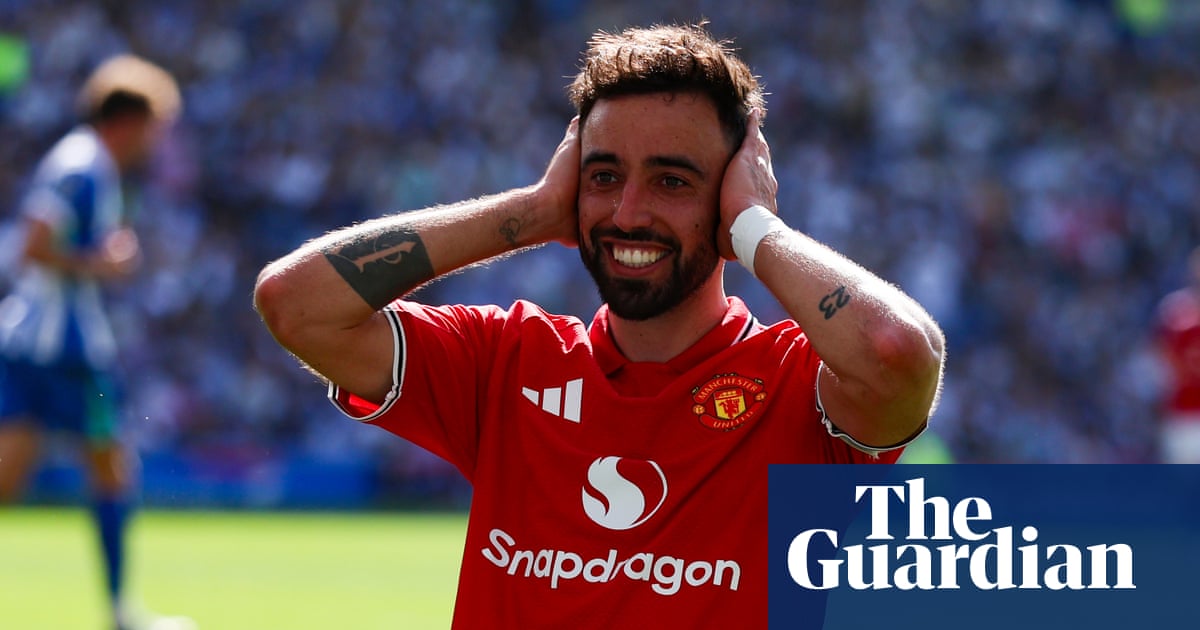
What actually happened: Amorim never did get his ideas across and United sacked him in January, just in time to save their season. They picked up 29 more points this season than last season but that upward swing was entirely due to Michael Carrick and his coaching staff, who revived the team and given the fans hope.
Aston Villa: predicted 5th, finished 4th
What we predicted: There were plenty of positives last season, chiefly the continued emergence of Morgan Rogers and the consistent class of Youri Tielemans behind him in midfield, yet it was a campaign tinged with disappointment. Villa missed out on qualifying for the Champions League on goal difference and Unai Emery’s hunt for silverware goes on.
What actually happened: Villa qualified for the Champions League with ease and won the Europa League in style. Goals from Youri Tielemans, Emiliano Buendía and Morgan Rogers against Freiburg in the final landed Villa their first trophy since they won the League Cup in 1996. A great season all round.
Liverpool: predicted 1st, finished 5th
What we predicted: Champions for a record-equalling 20th time, and by a comfortable margin, first-choice transfer targets secured in an ambitious recruitment drive and the possibility of Alexander Isak arriving too: Liverpool look in outstanding shape to celebrate their 21st title this season. A seventh Champions League triumph will also be considered a realistic target by Arne Slot.
What actually happened: Liverpool were nowhere near the title race, never mind challenging for the Champions League. By the end of the campaign a lot of their fans wanted to see the back of Slot and his boring football. The worst title defence in years.
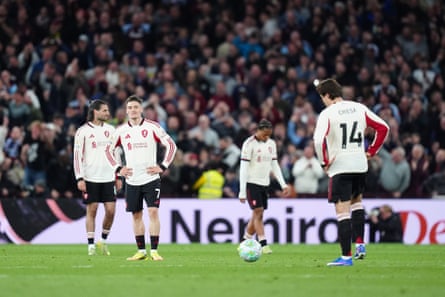
Bournemouth: predicted 10th, finished 6th
What we predicted: Whether Bournemouth can cope with a flurry of key departures remains to be seen. For a team that operated with a thin squad last season, it is impossible to shake the sense that starting over represents a daunting task
What actually happened: Andoni Iraola worked more miracles. Bournemouth finished sixth, enough to secure a place in the Europa League. They went unbeaten for the second half of the season, an incredible run of 18 matches without defeat, that had a hand in Arsenal winning the title.
Sunderland: predicted 19th, finished 7th
What we predicted: Spending heavily is no guarantee of Premier League survival – just ask Ipswich – but promoted Sunderland appear to have invested pretty shrewdly. That said, their star player from last season, Jobe Bellingham, is now at Borussia Dortmund and blending so many newcomers into a cohesive unit will be a tough task for manager Régis Le Bris.
What actually happened: Le Bris and his team were sensational from start to finish. They never looked likely to be pulled into the relegation battle and finished seventh, securing a spot in the Europa League. Their win against the Chelsea on the final day – the reigning world champions – shows how much can change in 12 months.
Brighton: predicted 8th, finished 8th
What we predicted: Although Brighton missed out on qualifying for Europe again, there was a sense of optimism rather than disappointment at the end of Fabian Hürzeler’s first season at the helm. Had it not been for a costly loss of form in the spring that brought one point from four league games and a defeat by Nottingham Forest on penalties in the last eight of the FA Cup, the German head coach might even have matched his predecessor, Roberto De Zerbi’s achievement of finishing sixth..
What actually happened: It was a season of ups and downs for Brighton. They started well and were fifth in early December but lost their way over the winter months, winning just one of their next 13 matches. In the end they landed a place in the Conference League. Given the success of English clubs in the competition, they will hope to go all the way to the final in Istanbul next year.
Brentford: predicted 18th, finished 9th
What we predicted: Thomas Frank, who has moved to Tottenham, was a huge asset to the club, bordering on irreplaceable. Their great gamble this summer is to replace him with Keith Andrews, a rookie manager who was working as the club’s set pieces coach. Many punters now fancy Brentford for the drop.
What actually happened: Despite losing Frank – as well as their captain, goalkeeper and two top scorers from last season – they challenged for a European place and just missed out. Huge credit to Andrews and his backroom staff – and the club’s owners for seeing their potential.
Chelsea: predicted 4th, finished 10th
What we predicted: Securing Champions League qualification on the last day of the Premier League season and an unlikely Club World Cup triumph have transformed the club, their finances and ambitions for 2025-26. Chelsea stayed relatively under the radar for much of the Club World Cup, but their commanding 3-0 victory against Paris Saint-Germain in the final means they are again regarded as a potentially dominant European force and perhaps even as contenders for the Premier League title.
What actually happened: The world champions finished 10th in the Premier League, which perhaps shows how strong the English top flight has become, but also how turbulent Chelsea have been under their current owners. At times they were embarrassingly bad on and off the pitch. The new manager, Xabi Alonso, has a job on his hands handling that squad and those owners.
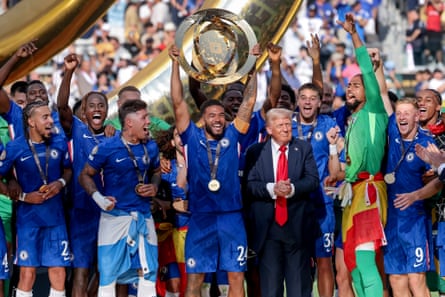
Fulham: predicted 11th, finished 11th
What we predicted: There is much talk of the growth of the Premier League’s middle class, and yet Fulham, who finished 11th last season, have received nothing like the same garlands as Brighton, Bournemouth and Brentford, the clubs immediately above them in the table. That may be a legacy of the 13 consecutive seasons Fulham spent in the division until 2014, and this being Marco Silva’s fifth season at Craven Cottage. The club are a known quantity, receiving rather less than the respect due to Silva and his players.
What actually happened: Fulham continued their run of mid-table finishes. They were just one point behind Europe-bound Brighton, which was disappointing for fans. But the overall picture is that the club is stable and their redeveloped stadium mirrors their standing in the game.
Newcastle: predicted 7th, finished 12th
What we predicted: A Champions League campaign beckons and there is the League Cup to defend but Alexander Isak’s departure is emblematic of a troubled summer. As if the Sweden striker’s decision to join Liverpool was not bad enough, a succession of transfer targets – Hugo Ekitiké, Bryan Mbeumo, João Pedro, James Trafford and Benjamin Sesko – have turned Newcastle down. The good news is that Eddie Howe is an excellent coach and possesses plenty of high-calibre players, Sandro Tonali, Bruno Guimarães, Joelinton and Anthony Gordon foremost among them.
What actually happened: Newcastle lost 17 games (only the bottom three clubs lost more) and finished 12th, a big drop from fifth last season. There were some memorable nights in the Champions League but fans expect much better.
Everton: predicted 13th, finished 13th
What we predicted: Building a new stadium befitting Everton’s ambitions proved a fraught and costly process. The same is true of David Moyes’s attempts to build a new team to realise those ambitions. Everton must hope that, like Hill Dickinson Stadium, their exhaustive efforts eventually pay off.
What actually happened: David Moyes continued to bring stability to the club but fans are wondering if there might be more to life than mid-table finishes. They briefly threatened to challenge for a place in Europe but slipped to 13th after failing to win any of their last seven games.
Leeds: predicted 17th, finished 14th
What we predicted: Daniel Farke is behaving like a man on a mission to avoid immediate relegation and seven summer signings have added much-needed height and aggression to last term’s technical but slightly diminutive squad.
What actually happened: Leeds stayed up comfortably, reached the FA Cup semi-finals and enjoyed beating Manchester United at Old Trafford in the league for the first time since 1981.
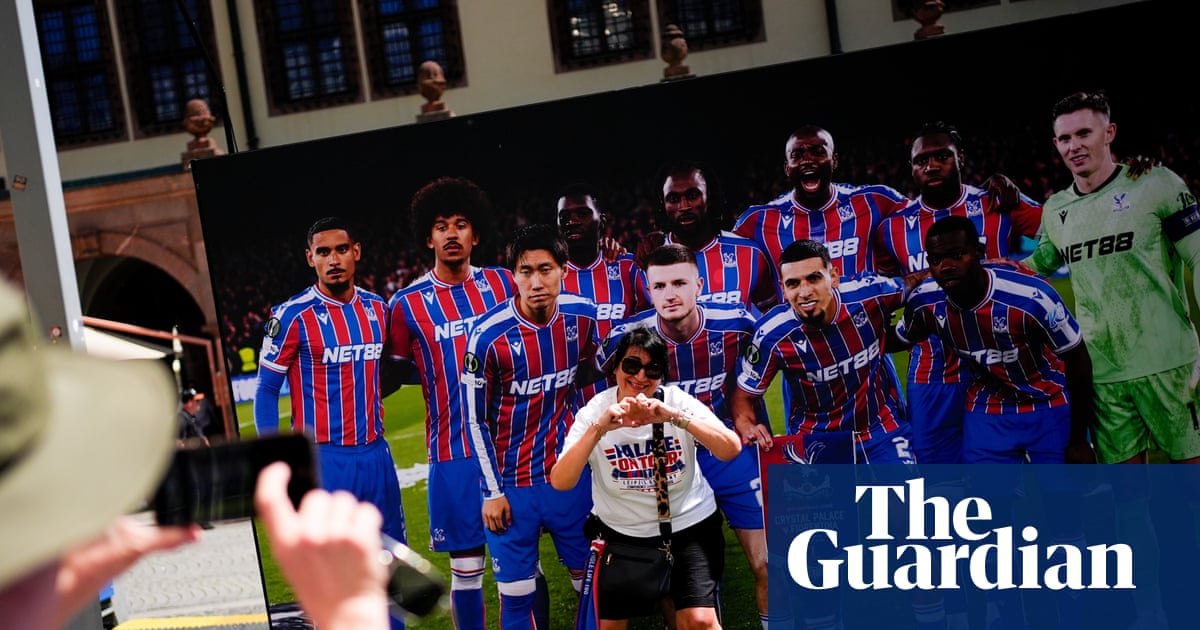
Crystal Palace: predicted 14th, finished 15th
What we predicted: Crystal Palace’s achievement of winning the club’s first major trophy by beating Manchester City in the FA Cup final should have made it a summer to savour for supporters. Instead, it has been spent nervously awaiting news over which European competition the team will play in. With doubts over the futures of the captain Marc Guéhi, who has entered the final 12 months of his contract and is wanted by Liverpool, and the Arsenal target Eberechi Eze, the chair Steve Parish faces another testing month as Palace attempt to keep hold of their most important players
What actually happened: Palace were demoted to the Conference League, Guéhi left for Manchester City and Eze moved to Arsenal, but the team held it together. They were solid in the league and are now looking forward to the biggest game of their season: the Conference League final against Rayo Vallecano in Leipzig.
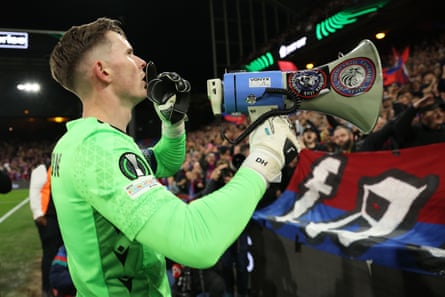
Nottingham Forest: predicted 12th, finished 16th
What we predicted: There is a sense they will need to be better in possession and dominate games because playing twice a week, once European competition begins, is especially difficult for a team who are chasing the ball and playing on the counter. The system has worked well for Nuno Espírito Santo in the past, but evolution may be required to keep Forest ahead of the game.
What actually happened: Nuno was long gone by the end of the season. As was Ange Postecoglou. And Sean Dyche. Vítor Pereira did the business though, ably supported by his players Morgan Gibbs-White, Elliot Anderson and Neco Williams. Given the turmoil at the club for most of the season, they did well to stay up and reach the Europa League semi-finals. A bit more stability wouldn’t go amiss.
Tottenham: predicted 6th, finished 17th
What we predicted: The sacking of Ange Postecoglou after he ended Tottenham’s 17-year wait for a trophy by winning the Europa League divided opinion among supporters, although the appointment of the experienced Thomas Frank has been generally received with enthusiasm. Not even that night in Bilbao was enough to save Postecoglou after Spurs ended last season 17th – their lowest placing since 1977 – having lost 22 games. But Frank, after cutting his teeth with a Brentford team that consistently punched above their weight, deserves the chance to show what he can do with more resources.
What actually happened: Tottenham picked up three more points this season than last, so that’s progress, but they were fortunate not to be relegated, only escaping on the final day. Their drift towards the bottom of the table was entertaining for plenty of fans across the country (especially their closest rivals), but Spurs fans will be hoping Roberto de Zerbi gets them back on track.
West Ham: predicted 15th, finished 18th
What we predicted: The danger for West Ham is that this is the season when their dysfunction catches up with them. Some fans fear a relegation battle beckons. The optimistic reading, though, is that this is the real start of the Graham Potter era. He worked on improving the team’s mentality, wants more more leadership and has brought in a sports psychologist.
What actually happened: Their dysfunction caught up with them. They had a terrible start, sacked Potter in September and struggled to put things right under Nuno. There were a few bright spots and they did show some fight towards the end of the season – and their disallowed goal against Arsenal hurt – but it was too little too late.
Burnley: predicted 20th, finished 19th
What we predicted: No club encapsulates the widening gulf between the top two tiers of English football quite like Burnley. Their record over the past four seasons reads: relegated from the Premier League with 35 points, promoted as champions of the Championship with 101 points, relegated from the Premier League again with 24 points and promoted from the Championship again with 100 points. Too strong for one league but not strong enough for the next, Burnley and their ambitious owners face a considerable challenge to turn the tide of recent history.
What actually happened: They did not turn the tide of history. Predictably, they went down, winning just four games all season. No doubt they will be back.
Wolves: predicted 16th, finished 20th
What we predicted: Wolves surely crave a campaign where relegation is off the menu. After a nightmarish start to last season, they turned to Vítor Pereira to pick up the pieces and the Portuguese reversed the direction of travel, in effect ensuring survival by mid-March. The squad appears undercooked after another round of headline departures, with Matheus Cunha and Rayan Aït-Nouri who contributed to 59% of their 54 goals last season, departing for Manchester.
What actually happened: Wolves did not win a game until January and were relegated with five games to play. The one good thing about their season? It is over.