.png)
 1 month ago
76
1 month ago
76
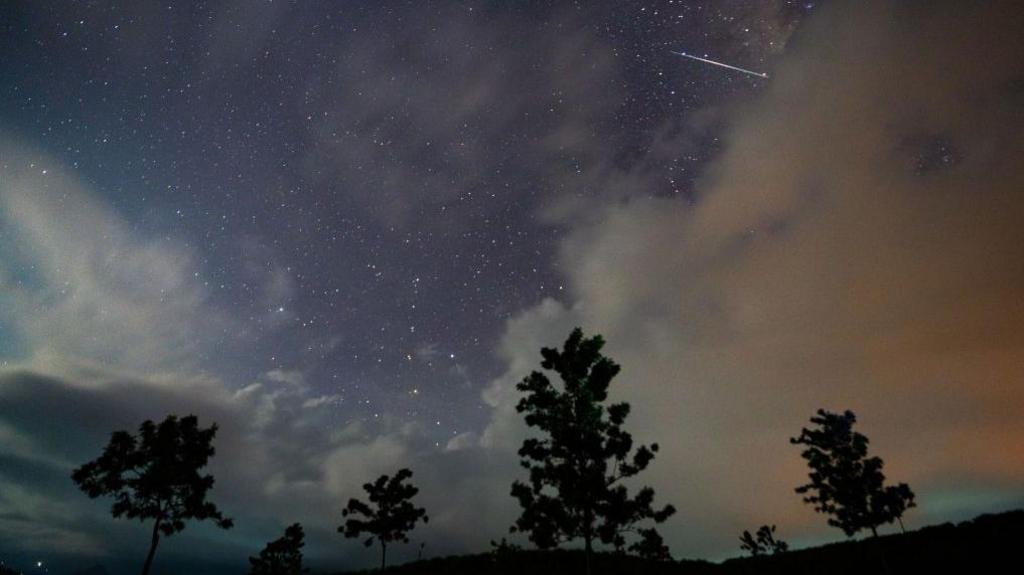 Image source, Getty Images
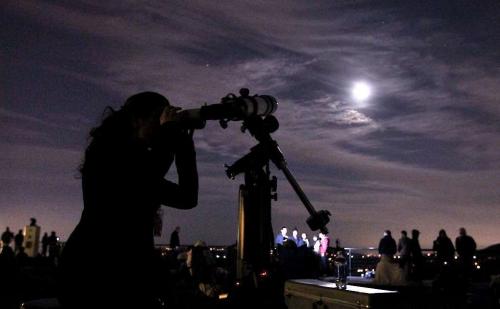
Stargazers are in for a treat as the Eta Aquarid meteor shower is set to light up UK skies.
As many as 30 to 40 meteors per hour could streak across the predawn sky as the display reaches its peak on 6 May.
Taking place annually, the Eta Aquarid shower occurs when Earth passes through debris left behind by Halley's comet.
It lasts for around three weeks between mid-April and the end of May.
When and how can I see the Eta Aquarid shower?
This year, the Eta Aquarid meteor shower is expected to be visible through to 28 May, but it will peak in the early hours of 6 May.
Generally, however, there will be increased meteor activity for a few days on either side of the peak.
To catch a glimpse of the shower, you should head outside between midnight and dawn and avoid areas where there is significant light pollution.
You won't need binoculars or a telescope, as this shower will be visible with the naked eye. However, it will take around 15-20 minutes for your eyes to adapt, so be patient.
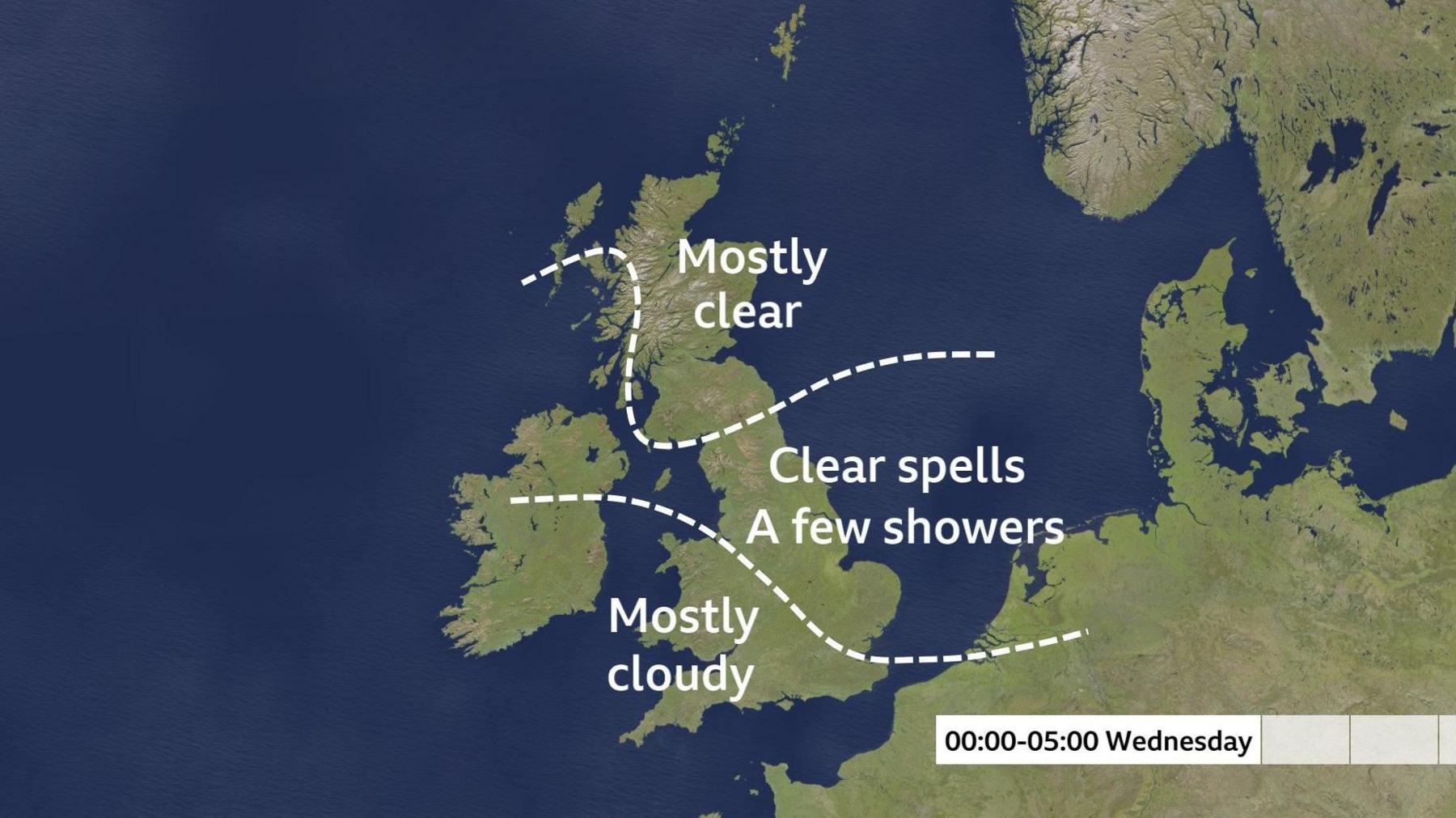
Forecast for the early hours of Wednesday morning
Large areas of cloud will affect many parts of the UK during the first part of Tuesday night but this cloud will break to give some clear spells, particularly in the north of the UK.
Stargazers in Scotland are likely to have the best of the conditions with clear skies for much of the night.
Northern and eastern England will see some big breaks in the cloud too, albeit with the chance of one or two showers - while in Northern Ireland cloud amounts will increase a little during the early hours.
It will be more of a struggle further south with cloud lingering across much of Wales and southern England, as well as parts of the Midlands, although even here occasional breaks are possible.
Temperatures will drop into single digits, perhaps falling below freezing in parts of Scotland and Northern England.
For the most up to date information, check the hour-by-hour forecast where you live on the BBC Weather website or app.
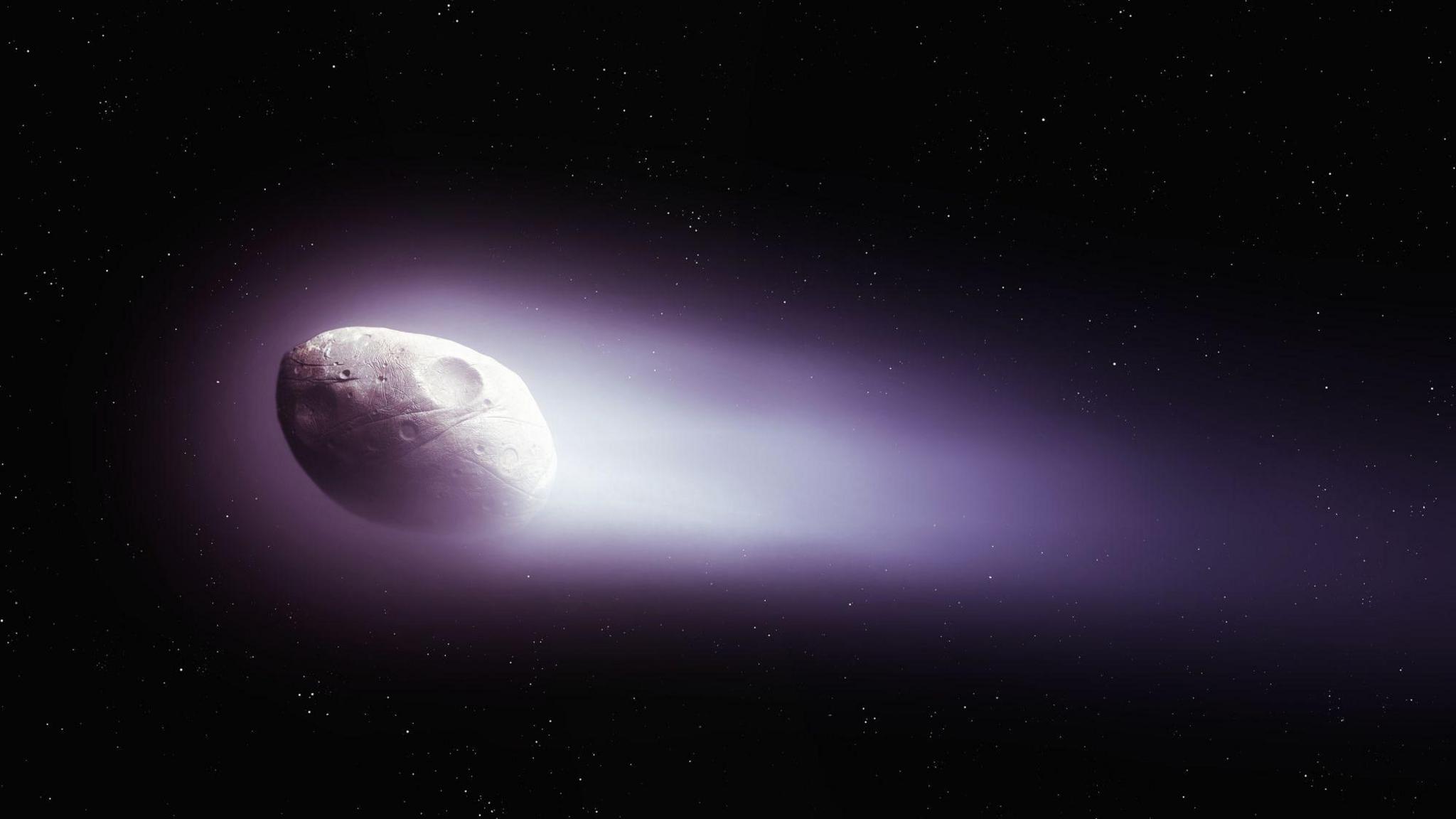 Image source, Getty Images
Halley's Comet isolated in space
Meteor showers take place when dust from a passing comet or asteroid passes through the Earth's atmosphere.
The tiny particles - roughly the size of a grain of sand - vaporise, creating visible streaks of light.
As the Earth passes through the densest part of the dust stream, more meteors are visible.
This article was updated to reflect that the peak of the shower is 6 May, rather than 5 May as originally written.