.png)
 1 month ago
38
1 month ago
38
Tom Symondsat the Royal Courts of Justice

 PA Media
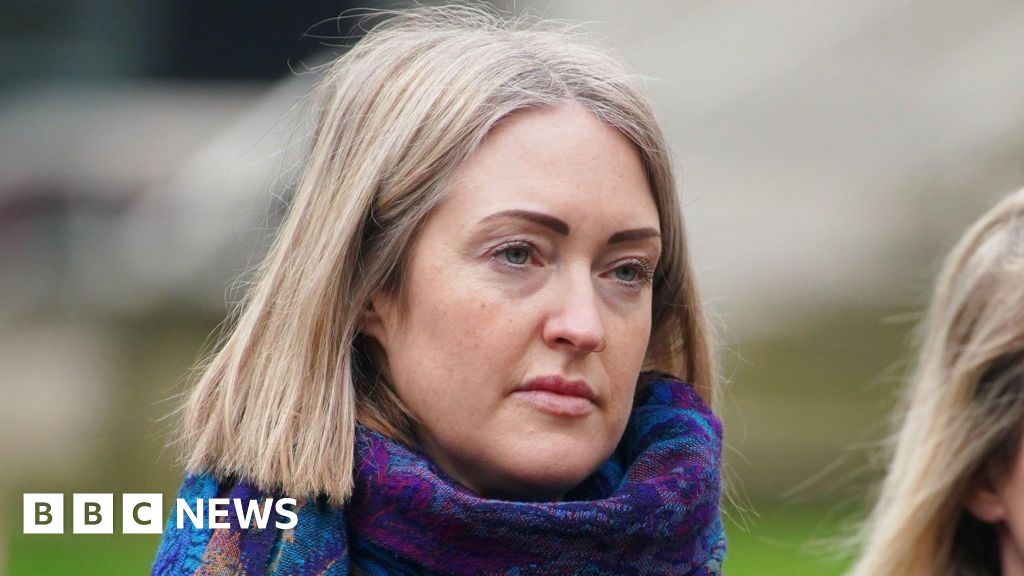
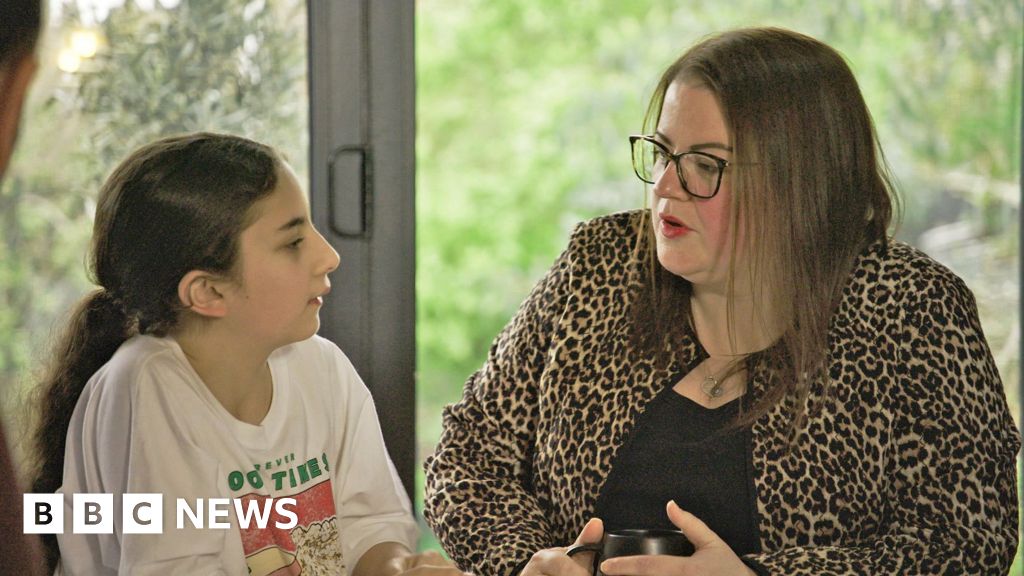
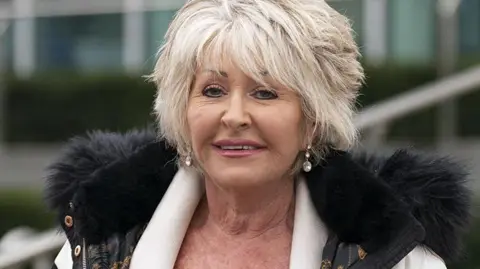
Maggie Oliver set up her foundation after leaving Greater Manchester Police, where she was a whistleblower about the force's inaction over grooming gangs
The High Court has said it will allow a judicial review of whether the government failed to act on the recommendations of a seven-year inquiry into child sexual abuse.
The foundation set up by former Greater Manchester Police detective Maggie Oliver to campaign for tougher action against grooming gangs, argued the government had failed to set a clear timetable for the recommendations to be taken forward.
In a legal submission, the Maggie Oliver Foundation said the government had "acted unreasonably and/or in breach of a legitimate expectation" to implement recommendations.
Mr Justice Kimblin decided there should be a judicial review hearing to consider the issues brought by the foundation.
Oliver, who attended the High Court hearing, set up her foundation after leaving Greater Manchester Police, where she was a whistleblower about the force's inaction over grooming gangs.
The original independent inquiry - launched to examine how public and private institutions failed to protect children from sexual abuse - lasted seven years and cost £200m, publishing its findings in 2022.
Outside the High Court, Oliver welcomed the decision.
"Any government that would even want to shy away from honouring these obligations should question why they are in government, because our first duty as a civilised country is to protect children and safeguard them from abuse," she said, adding: "I hope the government is listening."
The inquiry made 20 recommendations in its final report in October 2022 and in May 2023.
The then-Home Secretary Suella Braverman accepted the need to "act on" all but one of them.
In a progress update in April last year, Labour's Yvette Cooper, Home Secretary at the time, said "far too little progress has been made to put the inquiry's findings and recommendations into action".
The recommendations included improving the collection of data about child abuse, a new law to make not reporting abuse illegal, and the creation of a child protection authority.
The government has made some progress. A Crime and Policing Bill is due to introduce new legal requirements for people working with children to report sexual abuse when they are made aware of it.
There will be criminal sanctions in the most serious cases.
But Christopher Jacobs, barrister for the foundation, told the court that 12 years after the child abuse inquiry was announced, in 2014, "the majority of the recommendations have not been acted upon and are gathering dust".
Mr Justice Kimblin said that "the protection of children was a core duty of each of us and our institutions, including our government institutions".
He decided there should be a judicial review of whether the government had failed to meet a "legitimate expectation" that it should take forward the findings of the child abuse inquiry.
However, the law does not require ministers to do exactly what public inquiries recommend.
The judge rejected two specific legal challenges to the government's decisions on recommendations from the inquiry.
The inquiry panel recommended the creation of a single core set of data about child abuse, an issue which has become highly controversial due to the racial profiles of offenders in "grooming gang cases".
The government commissioned Baroness Louise Casey to carry out a "rapid audit" of the available data, and says it will act on the review.
The foundation argued in court that there was no single data set and this remained an urgent issue.
But the judge refused a judicial on this point saying the actual policy responses to inquiry recommendations were for the government, not the court.
He also rejected a challenge relating to the law on whether courts can make decisions about children in care, again saying this was a matter government policy.