.png)
 5 hours ago
2
5 hours ago
2
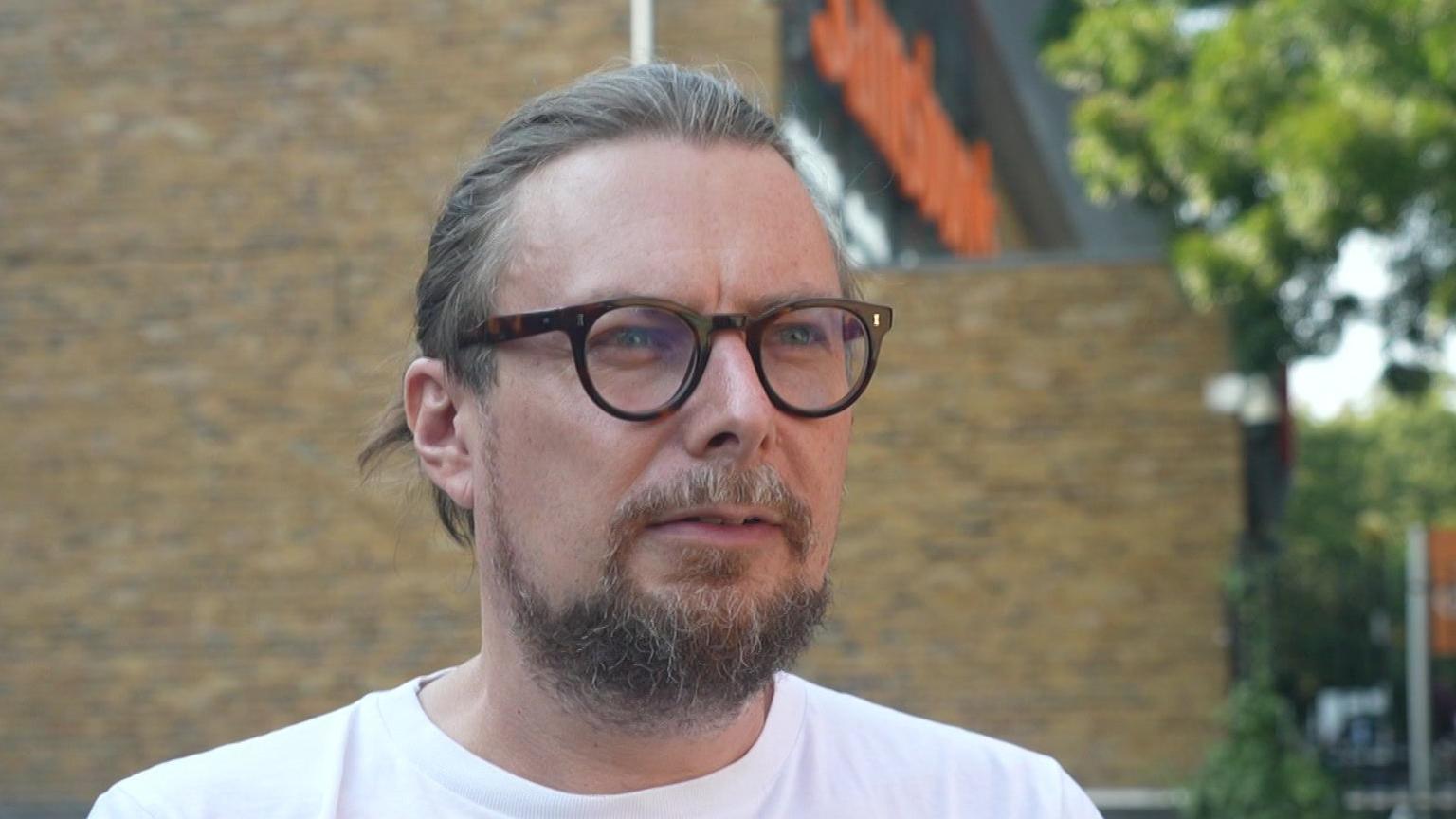
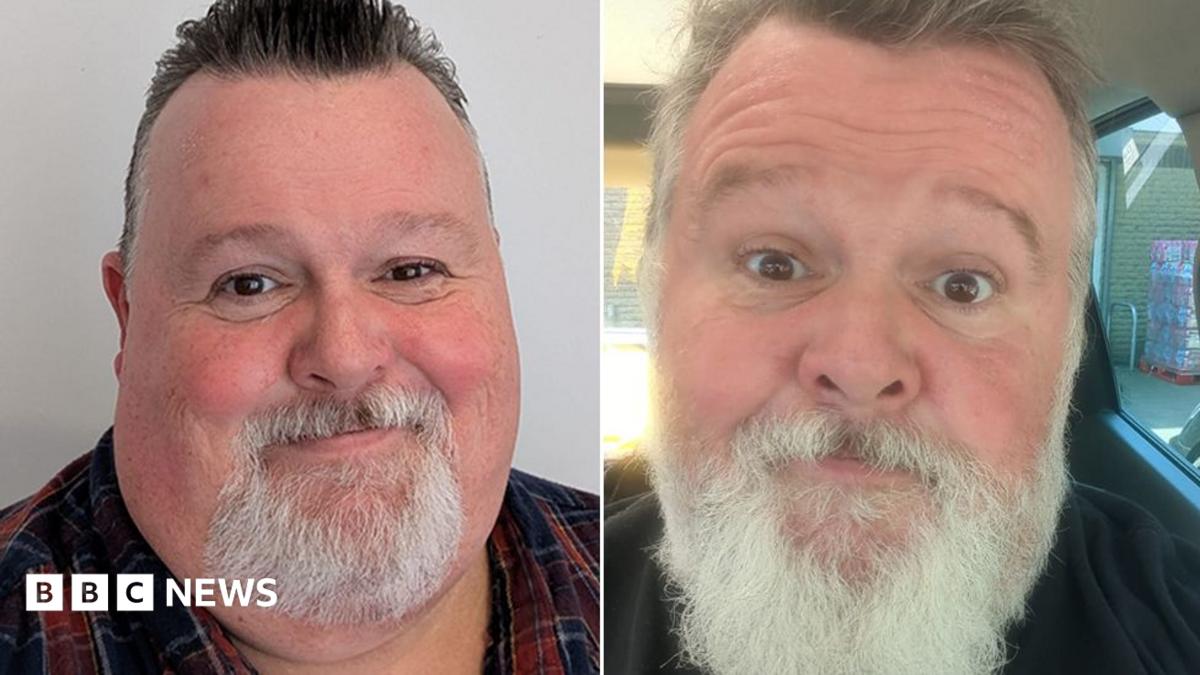
Matt Arnold says he was falsely flagged as a shoplifter by AI-powered cameras
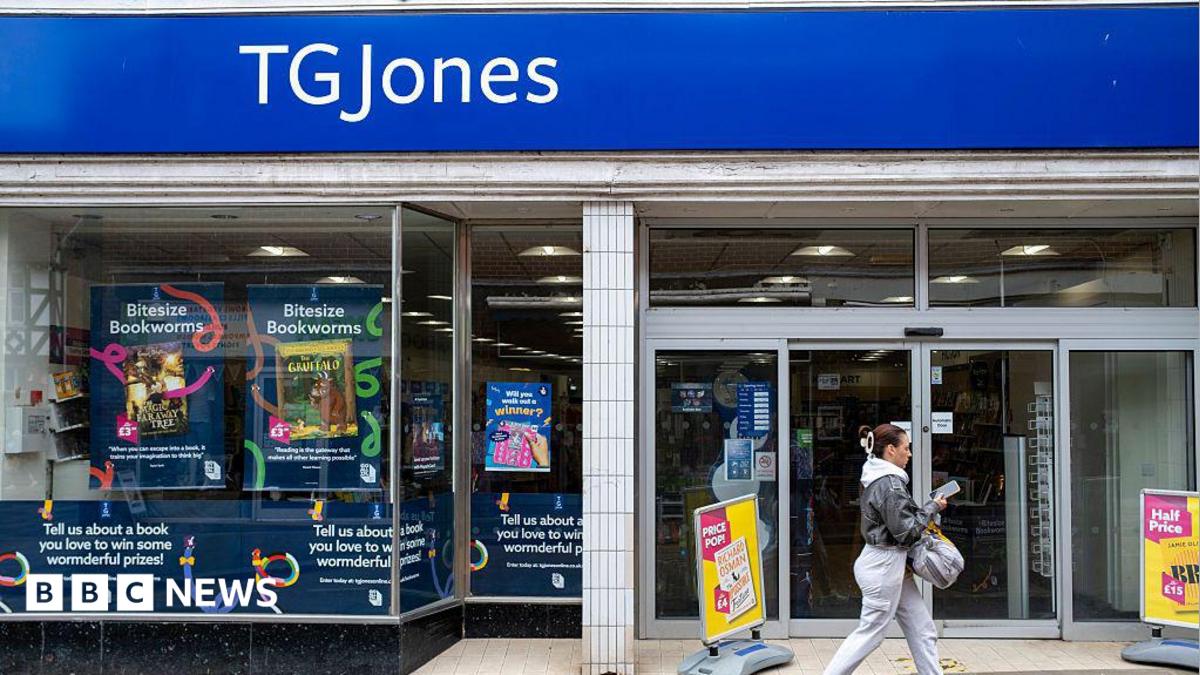
Sainsbury's has suspended its use of live facial recognition technology at one of its London branches after a customer was wrongly challenged as a shoplifter and asked to leave.
Matt Arnold, 46, was buying items at the East Dulwich store when he was stopped by management at a self-service till.
Describing the experience as a "terrifying glimpse of the future," he has warned that retail surveillance tech risks humiliating customers and creating a system where staff feel compelled to follow automated alerts without applying human logic.
The supermarket said it had apologised to Arnold and claimed the mistake was "caused by human error", but critics have called for the technology to be scrapped.
The incident happened on 6 August as Arnold - a comedy promoter getting supplies for a stand-up event hosted at the next door Dulwich Hamlet Football Club - was waiting for a staff member to approve an alcohol purchase.
Having already scanned his items alongside his Nectar loyalty card, he said he had waved an attendant over.
Instead, he said he was approached by two of the management staff and told he could not be served due to an incident "earlier in the week".
'People just listen to the machine'
"They came over and said I had to leave. The staff member said I'd been identified by the AI, and the cameras had flagged me," he told BBC London.
"A shoplifter does not walk around with that much shopping, they don't scan it through, they don't put their Nectar card through.
"But what upset me was thinking this is what the future could be - people just listen to what the machine tells them to do without thinking about the consequences."
After being escorted off the premises, Arnold said he had looked back from the entrance and saw an overhead CCTV monitor alert with a red circle surrounding his face.
Sainsbury's head office contacted Arnold the following day to apologise, maintaining the incident had been caused by "human error" rather than software failure.
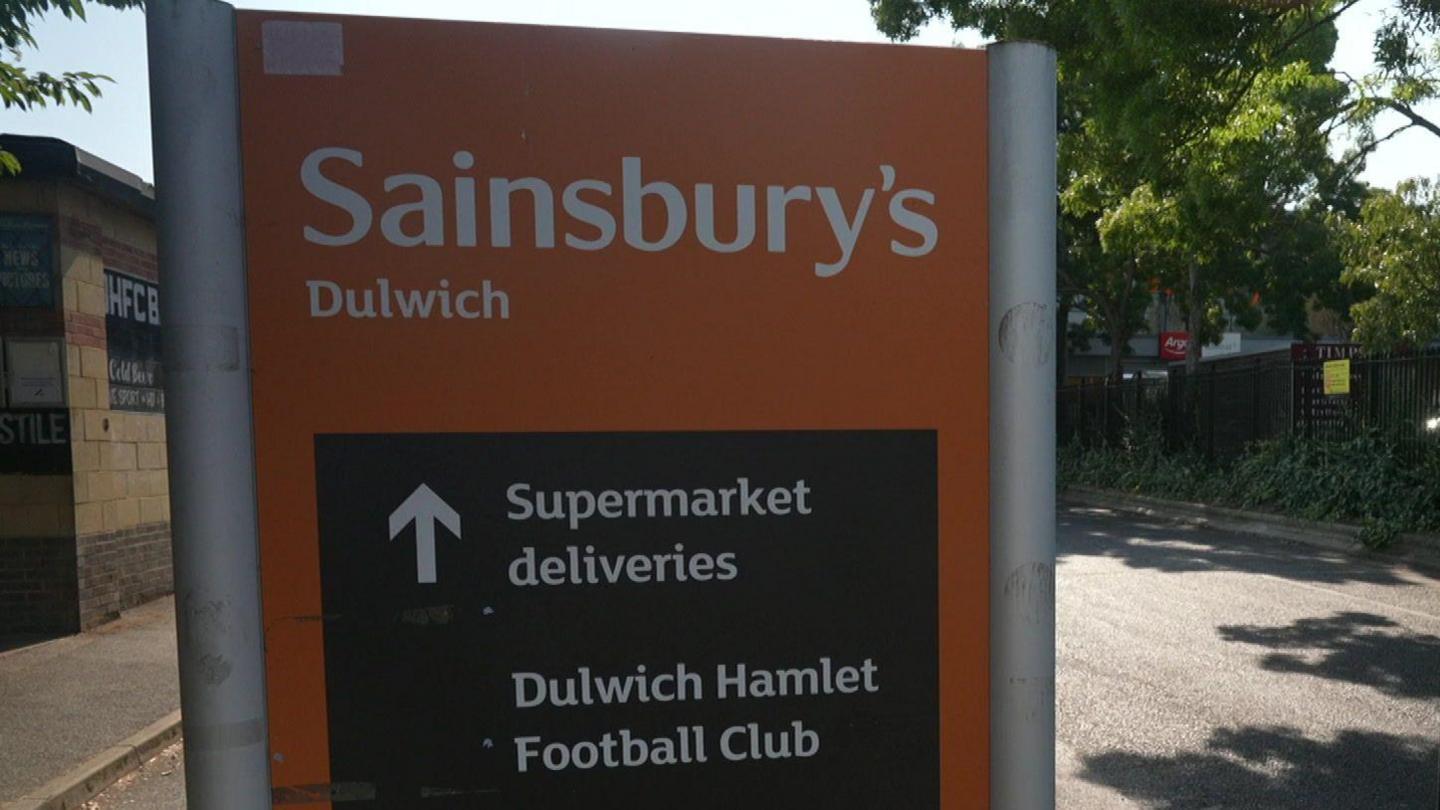
Sainsbury's claimed staff had targeted the wrong person after a separate flag
It is not the first time a Sainsbury's facial recognition system - supplied by technology firm Facewatch - has led to an innocent shopper being challenged.
In September, Warren Rajah was ordered out of a branch in Elephant and Castle after being wrongly flagged by the same Facewatch software - with the security firm later confirming he was not even on its system.
This incident was also put down to "human error" by Sainsbury's and the technology firm.
Facewatch has also been involved in similar cases with other retailers it partners with, including in a Home Bargains store in 2024 and a Cardiff B&M last year.
Arnold said his experience had led him to believe staff were struggling to operate the system in a busy store environment.
"Even though what happened to me was horrendous, I feel sorry for the staff," he said.
"Mistakes are going to happen. They're not being equipped to implement the AI properly."
Arnold argued that even if the technology was as accurate as Sainsbury's claimed, the 0.2% error rate is "a lot of people when millions go into a Sainsbury's shop each week".
"There are more people than me who have been caught out by this," he added.
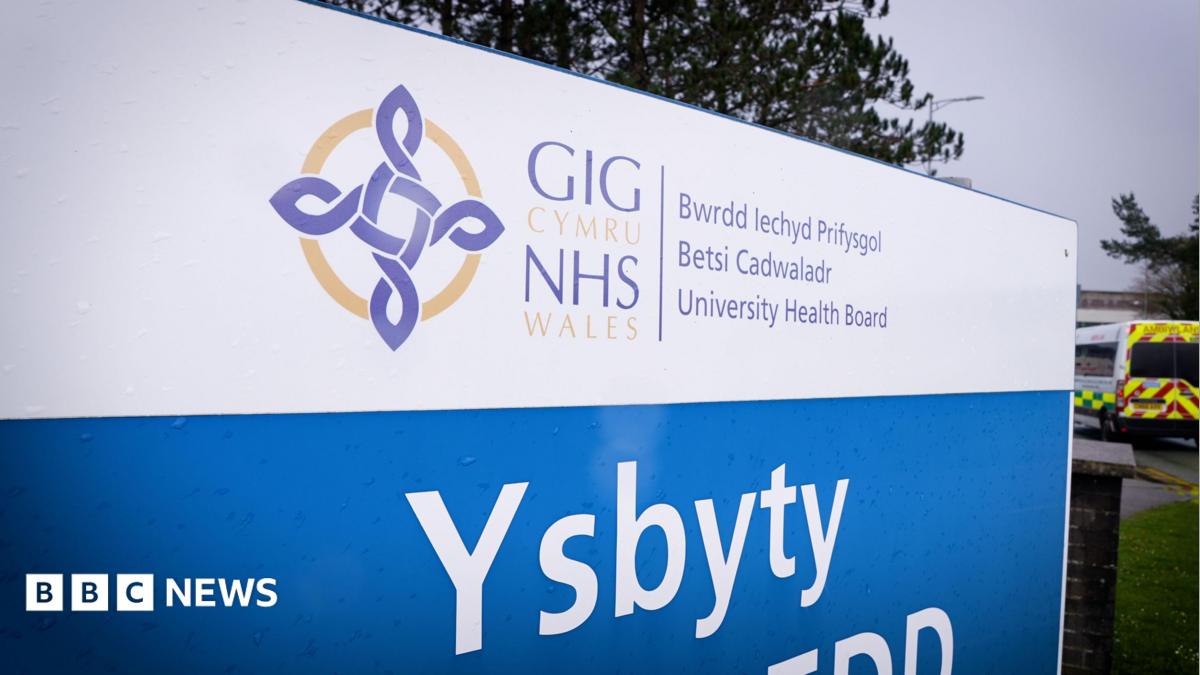
A Sainsbury's spokesperson has confirmed the technology has been paused at the Dulwich store in south-east London while an investigation takes place, but defended the wider rollout of the system - supplied by facial recognition firm Facewatch - citing escalating violence against retail workers.
They said: "We have contacted Mr Arnold to apologise for his experience at our Dulwich superstore. The incident was caused by human error, not the facial recognition technology.
"Customers can be reassured that the Facewatch system has a 99.98% accuracy rate, and every match is reviewed by a trained manager."
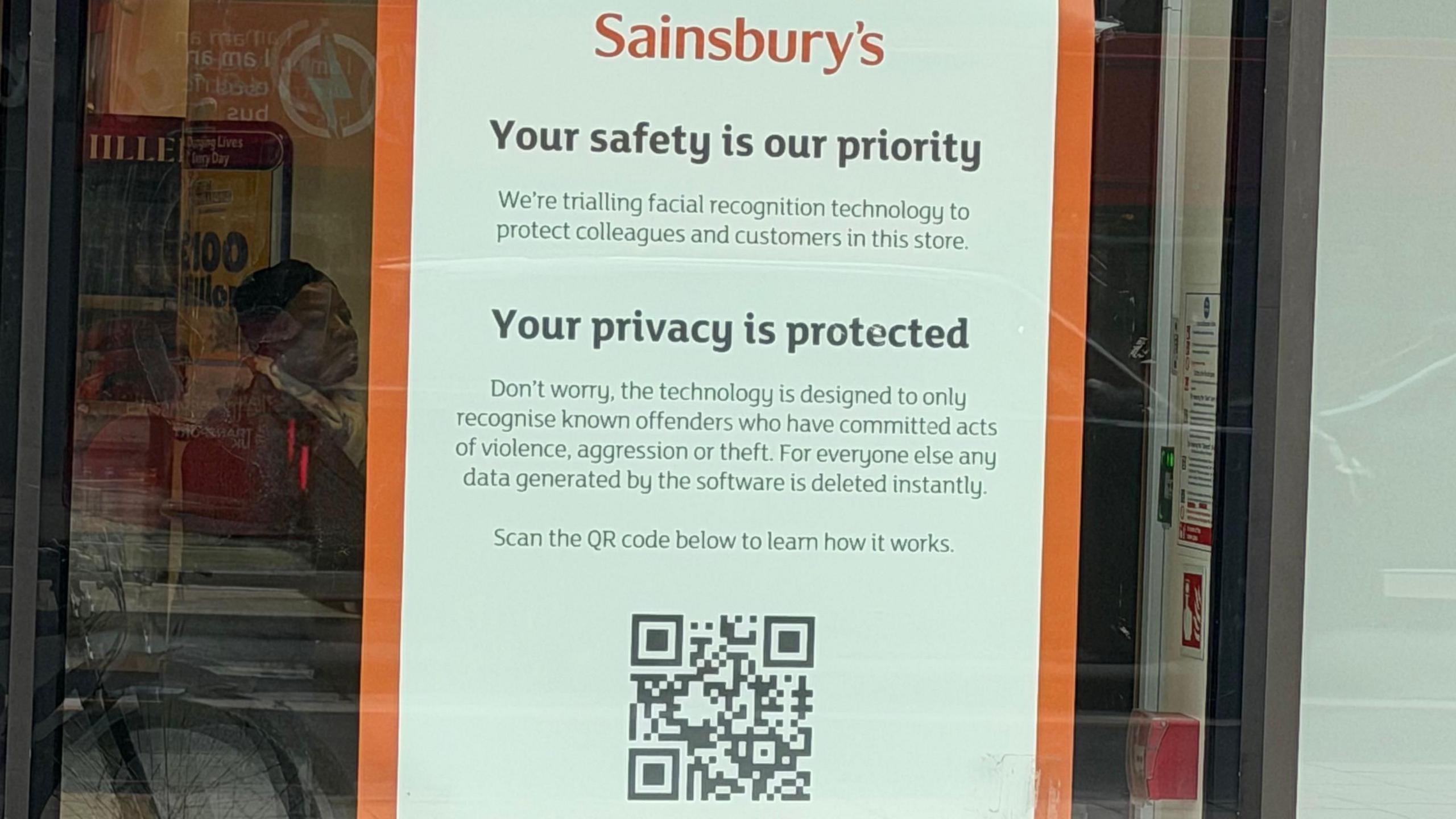 Image source, Warren Rajah
Sainsbury's began trialling facial recognition software at some stores last year
A Facewatch spokesperson also said that their technology was "not at fault" in this case.
"A correct alert was sent to the retailer, but was subsequently subject to human error in the way it was handled in store," they said.
The company added that suspending a store is a "precautionary measure" to prevent further alerts while staff undergo additional training.
Addressing concerns over system accuracy, Facewatch said its 99.98% figure is based on live retail testing using a dual-algorithm check and review by human analysts.
It added that the remaining 0.02% margin is not a "real-world misidentification rate", but a boundary where additional human checks filter out potential errors before alerts are sent.
Facewatch said alerts remain visible on staff devices for up to an hour, and that it logs all misidentifications.
Sainsbury's highlighted recent British Retail Consortium figures showing 1,600 daily incidents of violence and abuse against shopworkers nationwide, up significantly from 455 a day in 2019-20.
The retailer added that initial trials of the facial recognition system across two stores resulted in a 46% reduction in logged incidents of theft and anti-social behaviour, with over 90% of offenders not returning.
Silkie Carlo, the director of civil liberties group Big Brother Watch, has called for Sainsbury's to scrap the technology, arguing that it is "treating customers like criminals".
"Serious mistakes like this are inevitable when a national retailer does hundreds of thousands of ID checks indiscriminately with this sinister surveillance tech," she said.
Arnold, who donated a £150 goodwill voucher from Sainsbury's to a local food bank, questioned why the system remains active elsewhere.
"If they're suspending it in this East Dulwich store, they are conceding there's a problem with it. Why aren't they suspending it in every store?"
Listen to the best of BBC Radio London on Sounds and follow BBC London on Facebook, external, X, external and Instagram, external. Send your story ideas to [email protected], external