.png)
 1 month ago
99
1 month ago
99
It has been difficult to go anywhere in Mexico City this week without seeing Hugo Sánchez, the great former Real Madrid striker, trying to sell you something. Raúl Jiménez is on a few billboards and Toluca’s Alexis Vega on a couple of others, but Sánchez remains the king. Football adverts predominate. At the airport a Fifa sign obstructs the view of the arrivals lane for those with foreign passports, which might seem an apt metaphor if immigration procedures, here at least, weren’t absurdly straightforward. Amid the endless traffic, worsened by a teachers’ strike and associated street protests, women wander selling knock-off Mexico shirts.
Does that constitute a pre‑tournament mania? Perhaps not. There’s a newly added football element to many of the murals around Coyoacán, at which many of the Frida Kahlo murals appear to be looking askance – but then stern disapproval was her default look. There are flags hanging from walls and from ceilings in bars and cafes in some areas, but the excitement of waiters and taxi drivers at meeting somebody actually going to the World Cup suggests there hasn’t been any great influx yet. If traffic jams are a sign of excitement, then Mexicans are bang up for it but, anecdotally, few seem to expect much from their side and most seem feel a little frustrated at being a sideshow to Donald Trump’s main event.
A chaotic city has become a little more chaotic – and with further demonstrations planned this week by teachers, retired judges and women trying to raise awareness of the plight of Mexico’s 134,000 disappeared, it could become more chaotic still. But the World Cup hasn’t got going yet.
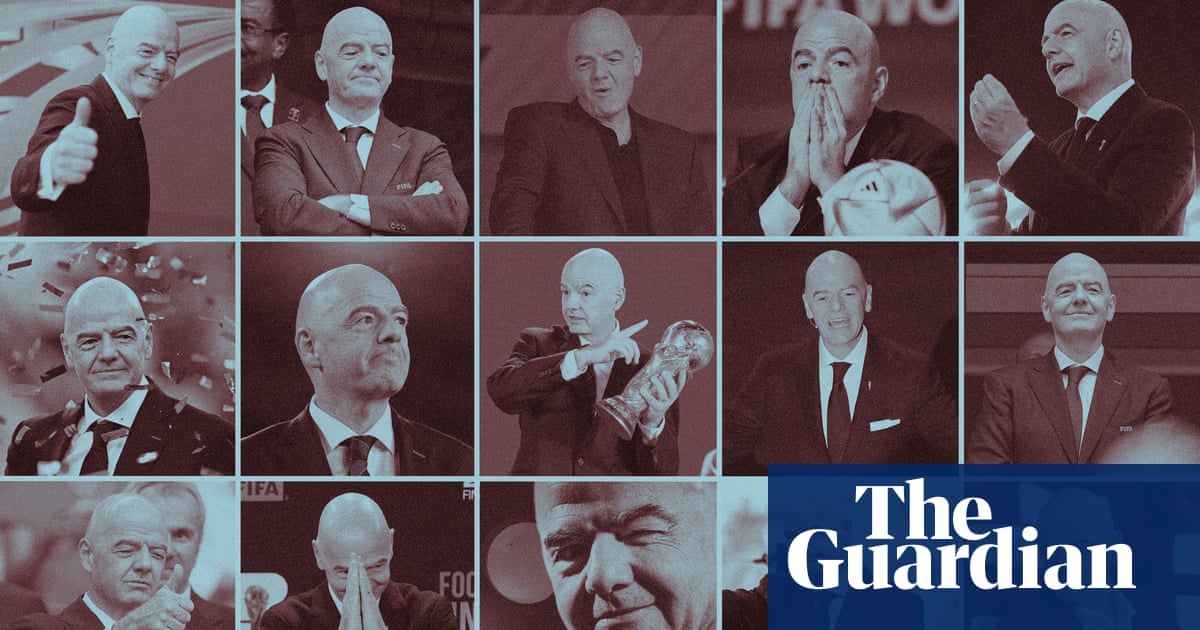
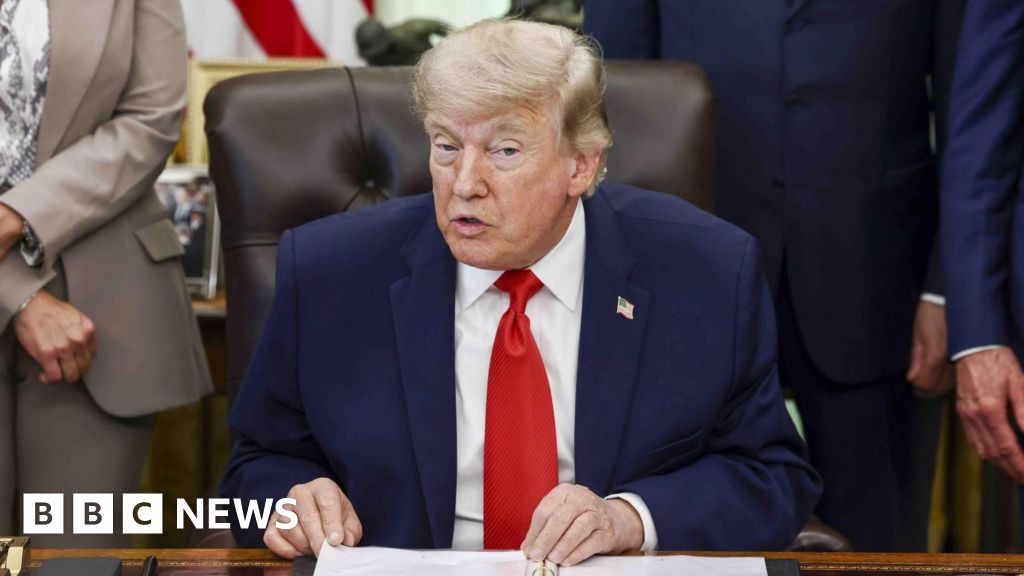
This is already a World Cup steeped in ignominy, with the visa issues, the ticket prices and Gianni Infantino’s prostration before Donald Trump. It’s unlikely but not impossible this is the moment at which general disgust reaches a tipping point and there is a serious movement to reform Fifa. But at the same time, a football tournament is about to break out, beginning with Thursday’s opener between Mexico and South Africa and South Korea’s game against Czechia. Quite how it progresses remains to be seen.
Even a best-case scenario suggests a slow burn, with 72 group games to eliminate the teams ranked 33rd to 48th (as opposed to 48 games to eliminate the teams ranked 17th to 32nd, as had been the case since 1998). Perhaps simply being the World Cup will be enough to maintain public interest, but a lot of games in the final round of the groups are going to involve two sides who have qualified. There’s then the danger that when jeopardy arrives in the last 32, it will come too suddenly.
Last time, Argentina recovered from their opening defeat by Saudi Arabia to win the World Cup, just as Spain recovered from defeat by Switzerland in 2010. Lose at the equivalent last-32 stage to equivalent opposition this year and both would be out; it’s not entirely clear that would be of benefit to the tournament. This does not seem a well-conceived format, apparently conjured out of thin air by Infantino during the 2022 World Cup.
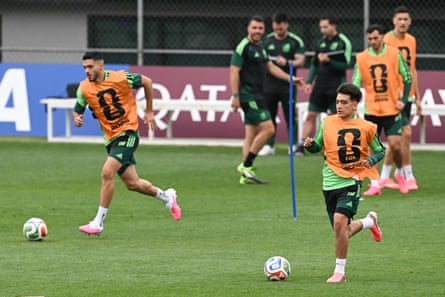
Mexico lost form after winning the Concacaf Gold Cup last year, failing to win any of their final six friendlies last year. They’ve rebounded since, winning six of eight and drawing against Belgium and Portugal. It’s not entirely clear whether Vega fits Javier Aguirre’s 4-3-3 but a 5-1 win over Serbia last Friday suggested a side peaking at the right time. The hopes of a renaissance raised by South Africa’s semi-final appearance at the 2023 Cup of Nations have faded. They disappointed at the 2025 Cup of Nations, eliminated in the last 16 by Cameroon, and haven’t won any of their friendlies since.
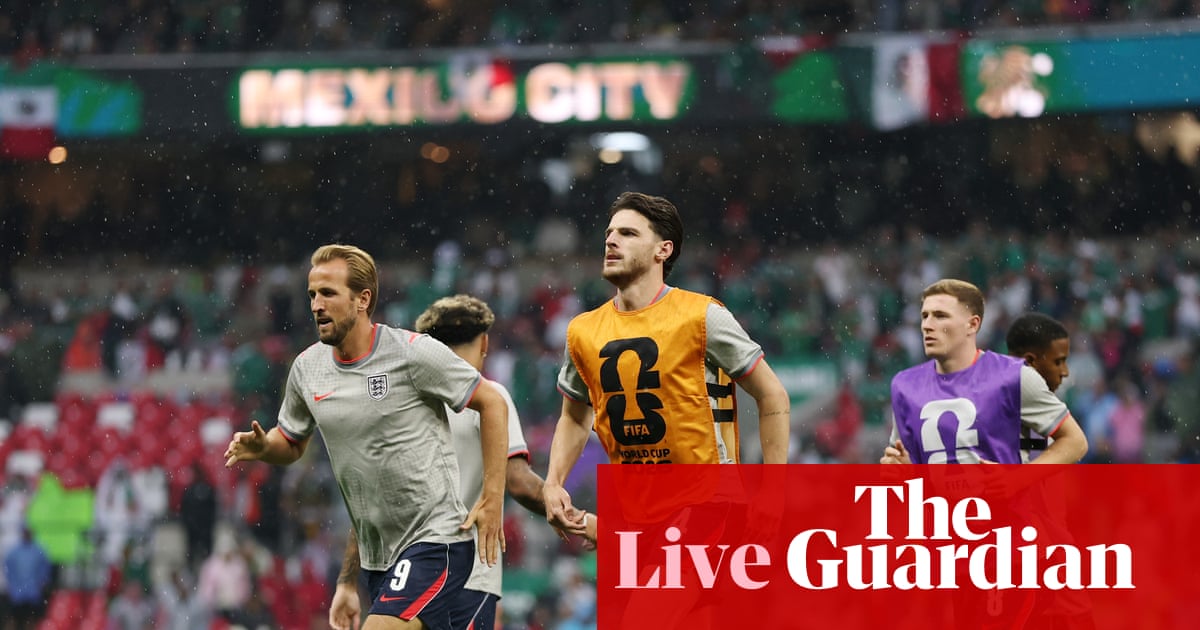
Mexico have reached the quarter-finals in the two previous World Cups they’ve hosted. If they are to do so this time, and seedings work out, they would have to beat England in the last 16. England are one of the four seeds kept apart (if they top their groups) until the semi-finals, and that billing is probably justified, although they, more than any other side, are likely to be afflicted by exhaustion given the intensity of the Premier League.
After the Club World Cup and the expanded Champions League, and given the heat and humidity of many of the venues, fatigue is likely to be a bigger issue than ever. Spain were hugely impressive in winning the Euros in 2024 and have a midfield to hold possession, a key asset given conditions, but injuries to a number of key forwards mean the directness that proved so potent at the Euros may not be there.
The longer tournament means keeping players fresh and managing minutes is likely to be more important than ever at a World Cup, and no nation has a squad as deep as France’s. Didier Deschamps may be old-fashioned, and his cautious football may have held France back since they won the World Cup in 2018, but a safety-first approach enlivened by a fleet of sparkling forwards may be enough. In the absence of any outstanding candidate, France and Spain look strong favourites.
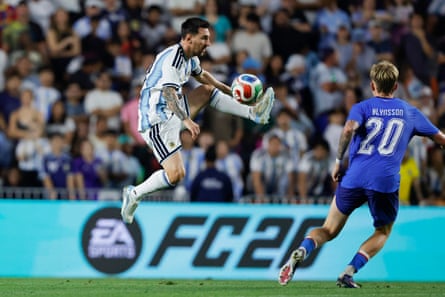
Argentina rely again on being able to provide a platform for Lionel Messi, who will turn 39 during the tournament, while Cristiano Ronaldo, at 41, looks the biggest obstacle to Portugal and their exceptional midfield breaking their drought.
Brazil are yet to resolve their midfield issues, and injuries have gnawed at the Netherlands. Morocco and Senegal represent a plausible challenge or, if there is to be a serious contender from outside Europe and South America, it may be Japan, despite the injury to Kaoru Mitoma.
All that, though, seems a very long way off. There are still almost six weeks to the final. That lack of intensity to the group stage, perhaps, explains why there has been so much focus so far on the various Trump- and Fifa-related outrages, and so little on the football.
Anger at World Cups tends to dissipate once the tournament starts. This time, perhaps, the disgust is too great, the intrigue of a bloated group stage too vague, for that to happen. Or perhaps Vega tees up Jiménez in the opener on Thursday, everybody forgets the negativity, and even Frida Kahlo smiles.