.png)
 3 hours ago
2
3 hours ago
2
As far back as he can remember, football has long been a part of Lawrence Yee’s life. Growing up in a Canadian town where hockey was the dominant sport, he found community and passion in the game. The sport – and the full, at times devastating, spectrum of emotion that comes with fandom – has remained braided into adulthood. Nearly four years ago, when Fifa announced Toronto and Vancouver would join 14 other cities in hosting the World Cup, Yee was ecstatic.
“Hearing the biggest stage, the highest competition, the biggest tournament in the world was coming into Toronto? I couldn’t believe it,” he said. “It’s the opportunity of a lifetime for someone like me. Being able to live in the city and cycle to the venue? I knew I’d be the first in line for tickets.”
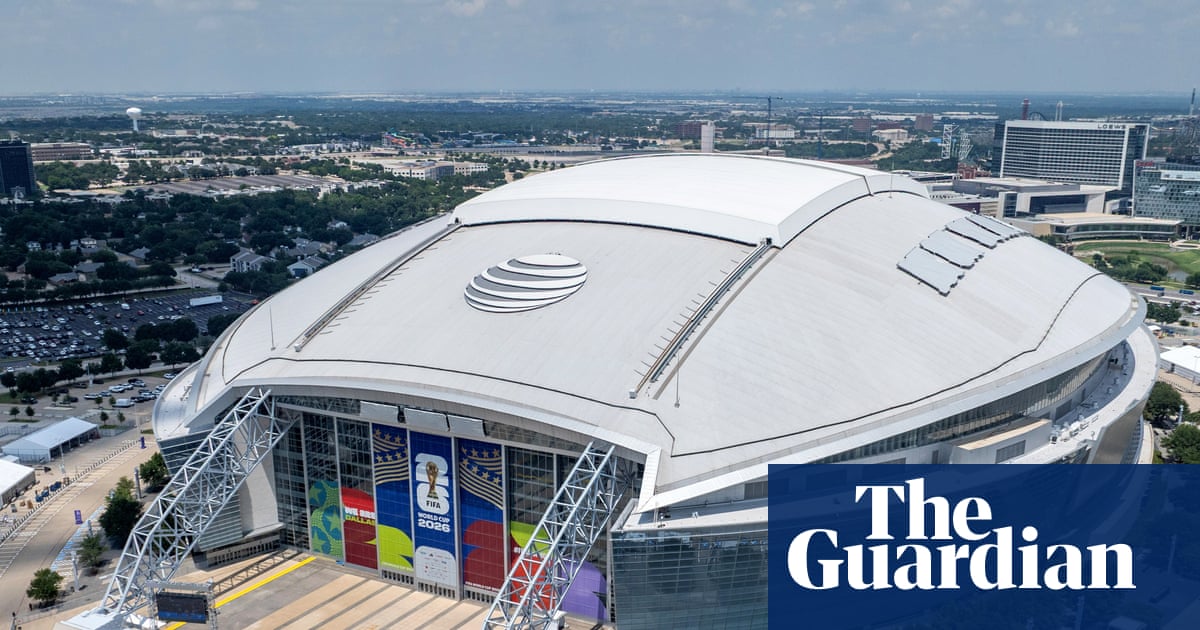
But when Canada takes to the field to play Bosnia and Herzegovina on 12 June, the first men’s World Cup match ever played on Canadian soil, Yee won’t be in the stands. Nor will he attend any of the other group stage games. His initial excitement – and that of hundreds of thousands of others in the country – has collided with Fifa’s new pricing structure for tickets, where fans are being asked to pay what they feel are exorbitant prices for tickets.
Less than two weeks before Vancouver and Toronto host games, hundreds of tickets for each of the 10 games in Canada remain unsold, a reality that appears at odds with previous reports of overwhelming demand. Even hotels are only at 80% capacity, a figure typical for summer months.
In April, Gianni Infantino, the Fifa president, told attendees in Vancouver that demand for tickets was 10 times the amount of the last two World Cups together.
“We had 500 million ticket requests. In the last two World Cups together, we had 50 million ticket requests. Here, 500 million. We sold 100% of the inventory that we put on the market, which is more or less 90% of the global inventory so far,” he said.
But that demand appears to have hit a wall when it comes to prices. The cheapest tickets to Canada’s opening game, at face value, are more than C$1,000 (£535).
Infantino has defended the pricing structure, telling reporters: “We are always putting tickets on the market. There are expensive tickets, yes, but there are also affordable tickets.”
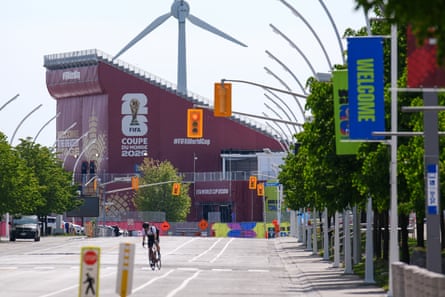
But the idea of maximizing revenues, and selling out a stadium, are different objectives, said Moshe Lander, a sports economist at Concordia University. Under the current strategy, it makes more sense for Fifa to sell high-priced tickets than to fill seats.
“Fifa controls the World Cup,” said Lander. “There is no competition, so they can behave in whatever immoral, unethical, improper way they want – unless fans are prepared to walk away. Not just by avoiding giving them money, but also not going to the local pub and watching the matches. If enough people do it, they might change their behaviour.”
A Fifa spokesperson told the Guardian: “Never before in the tournament’s history have more tickets been sold directly to fans,” pointing to the organization’s decision to allocate at least 1,000 tickets priced at US$60 – a “very competitive price point for a major global sporting event”.
Fans point to previous World Cup tournaments where Fifa made tickets more accessible to residents, a strategy that has been supplanted by the lucrative idea of real-time pricing models.
Fifa defended its the move, saying the variable pricing ticketing approach “aligns with industry trends across various sports and entertainment sectors, where price adaptations are made to optimize sales and attendance and ensure a fair market value for events”.
Ontario tried to clamp down on resellers, passing legislation that barred World Cup tickets in Toronto from being resold above face value. Fifa was forced to modify its resale marketplace for Toronto matches to comply with the law. Still, Yee says early efforts to secure tickets – through the lottery system and countless portals, draw windows and access codes – left him frustrated and he slowly felt the possibility of obtaining a ticket slipping away.
“I’ve given up and at this point, I don’t want to give my money to Fifa,” said Yee. “I’m done with them. I get that while they can control pricing, it feels like an affront to what makes football great: it’s a sport for everyone. Accessibility ought to make it easier for fans – especially those living in the host cities – to see the games.”

Increasingly, skeptics – in the form of city councillors and elected officials who supported bringing the World Cup to Canada – have pointed out that cities bear the immense financial burden of hosting, while Fifa is able to take the revenue from ticket sales and broadcasting, and pay no taxes on it. Residents are paying for the games but many can’t attend. In some cases, officials and Fifa planned to charge for public events that were promised to residents, before backtracking.
While the original estimate for hosting the game in Toronto was as much as C$45m in 2018, it is now expected to cost at least C$380m. In Vancouver, the estimate for seven games was C$240m in 2022. It is now going to cost at least C$624m. According to the parliamentary budget office, Canada will pay more than C$1bn to host the games, meaning each game will cost $C82m. Other Canadian cities, when they saw both the initial price tag – and the stringent guidelines Fifa ruthlessly enforces – balked.
Still, Yee is excited for the teams and their fans to descend on the city. “It will be magical for people who get to go. And I really hope they have the best possible experience,” he said. “Now that I don’t have to worry about tickets, I’m excited to connect with friends. Maybe I’ll host people at my place. There are local watch parties hosted by neighbourhoods. What I loved about soccer growing up was the idea of community. And I’m looking forward to getting back to that.”