.png)
 15 hours ago
5
15 hours ago
5
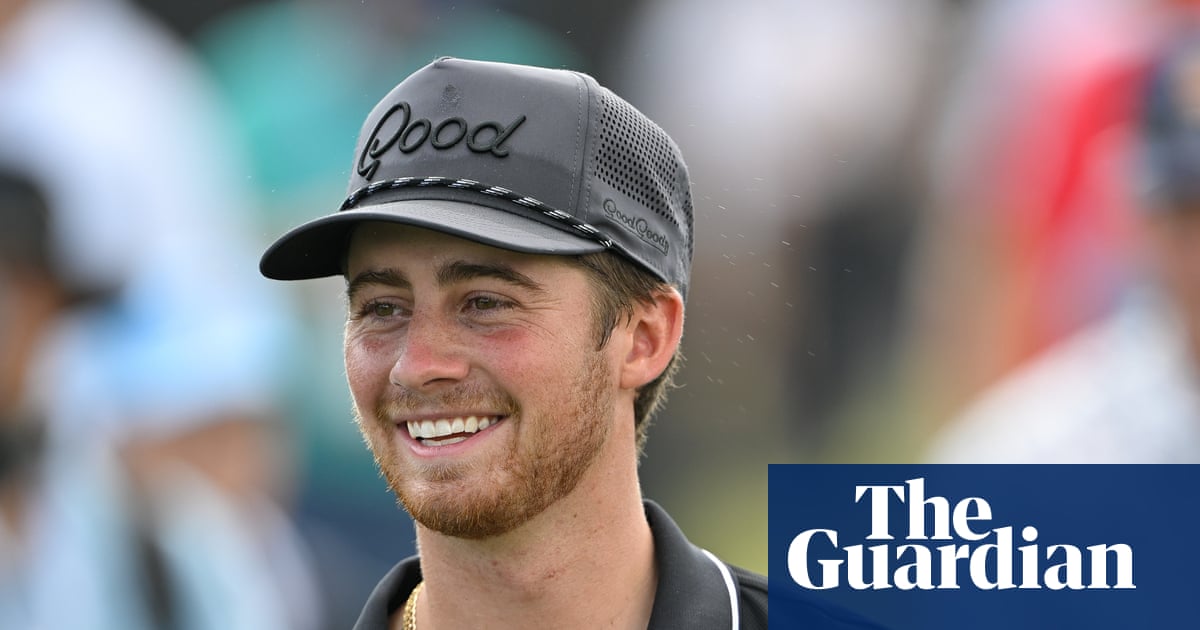
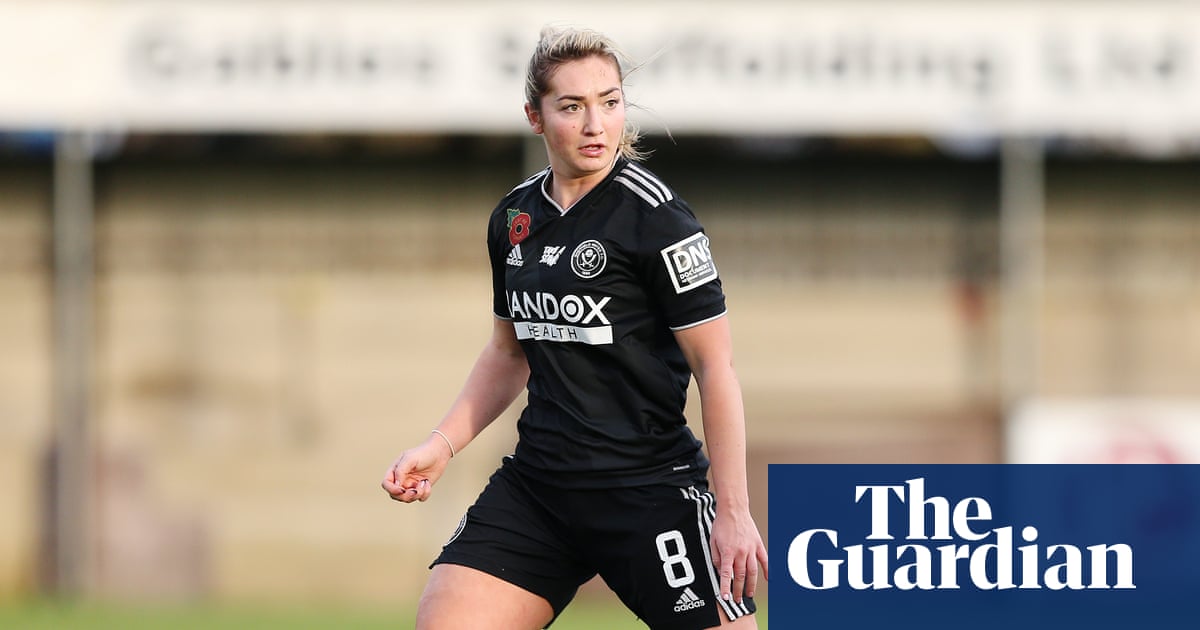
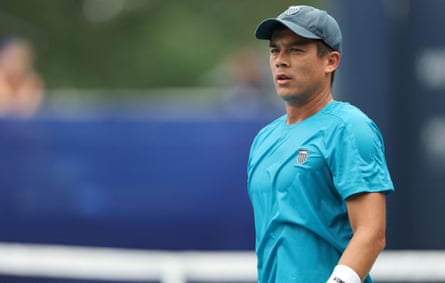
For Mackenzie McDonald the players’ push for greater prize money and welfare contributions from the grand slam tournaments could result in the difference between putting food on the table and making a decent living.
After 10 years on the ATP Tour the 31-year-old American is not pleading poverty, but knows that life on the professional circuit can be a hand-to-mouth existence, with players’ physical and mental welfare often compromised due to their desperation to get back on court.
McDonald keeps returning to the point that many of his peers at the US Open will be playing despite carrying serious injuries because of their need for a pay cheque.
With first-round losers in the men’s and women’s singles receiving a record $140,000 (£103,000) many will not blame them, although in a sport with a more coherent financial structure and generous welfare provision such sacrifices might not be necessary.
Despite combined annual revenues of more than $2bn the four grand slams do not provide a formal contribution to player welfare or pensions, although the US Tennis Association (USTA) made a significant step last week by committing $2m to a new player support programme.
“I know a good handful of players right now that are seriously hurt,” McDonald says. “But I know they’re going to show up to the US Open and get on court to make sure they can make some money because they’ve got bills to pay. They want to get an apartment and they want to pay their team – a coach, physio, trainer.
“The grand slams are the engine that enables them to make a living and they have to capitalise on that. It’s the difference between putting food on the table and making a living. That’s what’s at stake for some people.”
Much of the lobbying for the slams to increase their prize pots to 22% of revenues, from the current position of about 15%, has come from global stars such as Jannik Sinner and Aryna Sabalenka due to their public profile, but McDonald provides a more compelling case than the gripes of multimillionaires.
With total earnings of more than $7m he is unlikely to be on the bread line at present, but has been at various points in his career. Seemingly high income levels ignore the fact that players are responsible for their travel and coaching costs, plus those of their often large entourages.
“Things have shifted, but at the lower level the money has always been pretty insignificant,” McDonald says. “I’d say if you’re ranked 250 in the world right now you’re making about $200,000. I know for a fact that only 88 players last year made a million dollars. But that’s before taxes and all your costs, which are very significant.
“Many players go straight from college, where everything is paid for, into professional tennis where you’re booking your own flights and often paying for premium flights at the end of the week.
“I became a master of travel cheat codes, but you also have to pay for your performance team, whether that’s a strength and conditioning coach, a physio, psychologist or your main coach. Plus their travel.
“As players, we’re an undervalued asset for how much screen time we provide for broadcasters and how much betting income we generate for gambling operators.”
McDonald is fit to play at Flushing Meadows if he comes through qualifying, but has also experienced the darker side of a sport with comprehensive medical insurance limited to the world’s top 150 players, although the next 100 are given a more basic package by the ATP.
after newsletter promotion
After breaking into the world’s top 60 for the first time in 2019 he missed most of the season after sustaining a serious hamstring injury at the French Open. His comeback was derailed by the Covid-19 pandemic the following year.
“The tough part about tennis is that when you get hurt you’re not making any money and your world ranking also goes down, which limits your ability to compete in the future,” McDonald says. “You can’t just get back on the wheel.
“I went from being young and hungry to sitting in my apartment not being able to walk and trying to pick up the pieces to get a pay cheque again. I was lucky that it was 2019 and the medics had the knowledge of how to fix the injury.
“Being able to adapt to how you’re doing is a skill in itself. You could have a really good year and make say seven figures, but then you get injured and you’re not earning anything.
“If you saw the shit we deal with on a daily basis it’s pretty comical. This year I’ve lost my bag multiple times and had to fly around the world with no possessions. If you get off the hamster wheel you’re not making money. When you’re on the hamster wheel you’ve got to keep going. It’s pretty brutal.”
The USTA’s commitment to creating a player support programme as part of this year’s $108m prize fund is a significant development, which has led the players to cancel plans to repeat the media boycott that overshadowed the start of the French Open, but the long-running dispute has not been resolved.
In addition to wanting a similar undertaking from the other slams, the players’ representatives are demanding a fixed revenue-share scheme be implemented.
“I hope in the future that the money-making engines of tennis would help to contribute to player welfare,” McDonald says. “It’s going in that direction, but how fast it happens is a different question.”